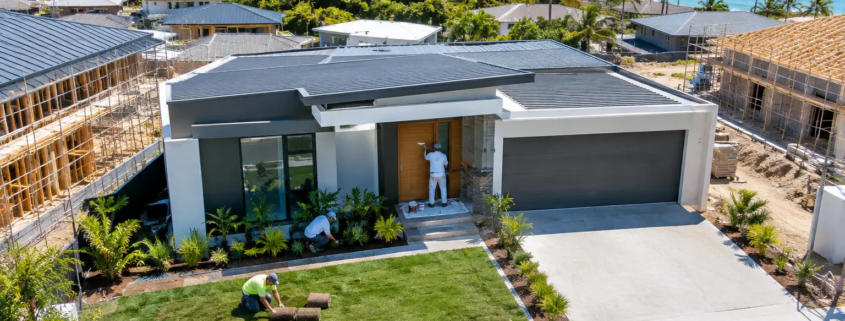


Residential Home Builders looking for house plan portfolio franchise

With a vast portfolio we can cater for different locations with exclusive designs to give you a point of differentiation to appeal to the public rather than old school cookie cutter designs. No resting on our laurels, we keep pushing the design language ahead to redefine style. With monthly plans to suit or IP franchise agreements with no risk with builder’s terms Pay As You Go (PAYG) or buy per plan; we cater to meet your requirements.

A builder wins more jobs when the floor plan does the heavy lifting. Not the brochure. Not the render. Not the sales design pattern. The layout is what clients remember, and that is exactly why house plan licensing for builders matters. If you are still relying on one-off drafting every time a lead comes in, you are burning time, margin and momentum.

For builders working across places like Brisbane, the Gold Coast, Newcastle or Perth, the challenge is rarely a lack of demand. It is speed, differentiation and control. You need plans you can present quickly, adapt confidently and use legally. That last part is where plenty of builders get sloppy. A good-looking plan is useless if the usage rights are vague, the files are locked down, or the same design is being pushed by every second operator in your patch.

Why house plan licensing for builders is a commercial decision

Some builders still treat plan access like a simple purchase. Buy the drawing, build the house, move on. That mindset is outdated. Licensing is not admin fluff – it is the commercial framework that tells you what you can build, where you can market, whether you can edit the files and how much protection you have from copycat competition.

If you are a small to mid-sized builder, licensing can cut out weeks of concept work. Instead of briefing a draftsperson from scratch, revising room sizes, fixing awkward corridors and paying again when a client changes their mind, you start with a proven base plan. When that plan comes with editable CAD or DWG files, your estimating and pre-construction process moves faster and with less friction.

The real advantage, though, is market position. A builder with access to a strong design library can show range, confidence and originality without carrying the overhead of a full in-house design studio. That matters when clients are comparing you against builders still serving up tired, boxy layouts with dead-end hallways and rooms that feel like afterthoughts.

What builders are actually licensing

A house plan licence is not just permission to print a drawing. Depending on the arrangement, you may be licensing the right to market a plan, construct from it, edit it, or secure exclusivity in a defined area. Those are very different rights, and smart builders know the difference before money changes hands.

At the practical end, builders usually want three things. First, a concept that is already commercially sharp. Second, editable files so changes can be made without starting from zero. Third, licensing terms that are clear enough to avoid disputes over copyright, reuse and territory.

That is where pay-as-you-go and subscription models appeal to different business types. A builder doing occasional custom or semi-custom work may prefer to buy at RRP after discount pricing and add licensing only when required. A builder with regular volume may be better served by a monthly arrangement that keeps fresh designs moving through the pipeline.

The difference between buying plans and buying rights

This is where builders can come unstuck. Buying a set of plans does not always mean you own the intellectual property. In most cases, you are purchasing access and usage under defined terms, while the original copyright remains with the designer.

That is not a problem if the licence suits your business. It only becomes a problem when assumptions replace paperwork. If you believe a plan can be reused endlessly across suburbs, modified freely and marketed as your own without restriction, but the licence says otherwise, the risk lands on you.

A proper builder IP agreement should spell out whether the rights are single-use, multi-use or territory-based. It should also be clear on whether edits are permitted, whether branding rights are included, and whether exclusivity applies in a local area. For builders trying to build a recognisable identity in places like Penrith, the Sunshine Coast or Cairns, that exclusivity can be worth far more than the upfront plan fee.

Editable files matter more than most builders admit

There is a big difference between a pretty PDF and a usable design asset. If all you receive is a static brochure-style plan, every variation turns into another round of external drafting fees. That slows sales and chips away at margin.

Editable CAD and DWG files give builders breathing room. You can shift a pantry, stretch a living zone, adjust window placement, respond to council constraints or tailor a layout to a block without rebuilding the entire concept. For owner-builders and home buyers, that flexibility means the plan feels personal. For builders, it means the design becomes a working tool rather than a fixed picture.

That flexibility is especially valuable across varied Australian block conditions. A narrow urban lot in Sydney demands a different response from an acreage parcel outside Rockhampton. A good licensing model paired with editable files lets builders adapt fast while still working from a design language that feels original and cohesive.

Design range matters when your clients want choice

A builder with only one look quickly starts sounding repetitive. The better play is to offer a curated spread of designs that suit different sites, budgets and buyer types while still feeling sharper than standard project-home stock.

That is why a broad range library has real sales value. An acreage client might respond to the Tacoma 219 that has a nice style layout to appeal for those bigger blocks where views are important, while a narrow courtyard buyer may prefer the Adina 203 with its open plan flowing appeal and stylish looks. If the buyer wants a stronger architectural edge, a Modern range option like the Carte Blanche 226 changes the tone immediately to a dynamic strong design language with its roof lines staggered for maximum effect. For boutique clients chasing a richer feel, then that would lead you to our Casa and Villa ranges, with examples such as Casa Athena 252 and the Villa Aegina 197 shows how varied the offer can be without slipping into bland catalogue filler.

The point is not just variety for variety’s sake. It is strategic choice. When builders can pull from multiple ranges, they stop forcing unsuitable clients into the same stale template.

How exclusivity changes the value of a plan

A plan that everyone can use is cheaper for a reason. It has less strategic value. If five builders in the same corridor are all selling the same layout with minor facade tweaks, your marketing edge disappears.

Exclusive design rights in a defined area shift that equation. If you can secure a standout plan for your local market, you are not just buying drawings – you are buying breathing space. Your sales team can promote something distinct. Your display and advertising become harder to mimic. Your clients get a product they are less likely to see repeated down the road.

That matters for franchise-minded builders as well. A scalable design system only works if the rights are clean, repeatable and commercially defendable. Otherwise, growth creates conflict instead of consistency.

House plan licensing for builders in practice

The best licensing setup depends on how you sell homes. A custom builder doing a handful of bespoke jobs each year will look at things differently from a builder running a streamlined pipeline of pre-designed options.

If your work is more occasional, a pay-as-you-go model makes sense. You buy what you need, when you need it, and keep overhead lean. If your business depends on constantly refreshing concepts and presenting multiple options to clients, subscription access can be smarter. The real test is not which model sounds cheaper at first glance. It is which one keeps your lead-to-contract process moving.

This is also where one well-run design source beats juggling three inconsistent suppliers. Builders do not need more admin noise. They need clarity on pricing, rights, editable files and the process for securing licences.

Avoid the lazy mistakes builders still make

The most common problem is assuming legal rights without reading the agreement. The second is treating concept plans like finished construction documentation. The third is choosing plans based only on facade appeal instead of internal flow.

Strong builders know the plan has to work from the inside out. Good rooflines matter. Street appeal matters. But clients live in the layout, not in the sales sheet. That is why the schematic core deserves more attention than glossy surface treatment.

One optional Zoom consultation can save a builder a lot of wasted movement if the goal is to clarify licensing, file access and which range actually suits the target market. Pacific Designer Homes Pty Ltd has built its reputation around exactly that sharper, more commercially switched-on approach – giving builders access to original layouts and practical licensing pathways instead of forcing them into generic design churn.

A smarter way to grow your builder brand

If you want your business to look bigger, move faster and sell better, stop treating plans as a side purchase. Treat them as part of your intellectual property strategy. The right licensed design can help you price with confidence, stand out in your area and reduce dependency on slow concept creation.

Builders who think this through usually end up with stronger margins and a cleaner sales process. Buyers get fresher layouts. Builders keep more control. And the homes that come out the other end feel less like recycled stock and more like something worth signing for.

See designs built for bold builders

If you want plans with more punch, more flexibility and licensing options that suit the way real builders work, Explore our full design library.
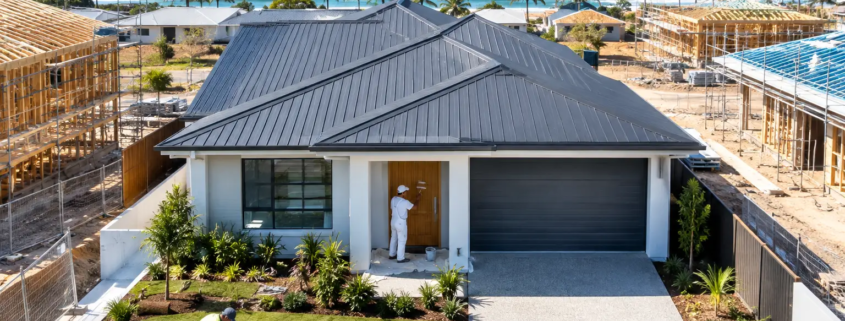
Residential Home Builders - Custom House Plans That Don’t Play It Safe

A flat, forgettable floor plan costs more than people realise. Not just in money, but in resale appeal, liveability and that nagging feeling that the house never quite flows as woven into it may be poor planning whereby some walls internally don’t line up or worse still some bedroom or wet area doorways are clearly visible from living areas or from the kitchen. That is why custom house plans still matter – especially when you want a home that suits the block, the lifestyle and the market, instead of forcing all three to squeeze into a drab tired, off-the-shelf layout.

At the concept stage, most mistakes are baked in early. A hallway that runs too long. A kitchen with no real connection to outdoor living. Bedrooms pushed into corners with poor natural light. Rooflines added later as an afterthought. Beyond artist impression livery of a realistic facade, the problem is not simply that these homes look ordinary, but the layout reflects stale bland presentation wise harking back to an outdated past! It is that they often feel ordinary to live in. Good design starts with the plan, and the plan has to work hard before a façade, brochure or colour palette ever enters the conversation.

Why custom house plans still win in Brisbane and the Gold Coast

In places like Brisbane and the Gold Coast, blocks vary, buyer expectations shift quickly, and boring design gets ignored. Narrow frontage sites, corner lots, acreage parcels and rear-laneway opportunities all ask different questions of a house plan. A stock-standard layout might fit on paper, but that does not mean it will suit the land or the end buyer.

Custom house plans give builders and home buyers room to think sharper in terms of bang on layouts that feel fresh and vibrant. You can shape the living zones around aspect, capture breezes, improve privacy from neighbouring homes and avoid wasting square metres on dead areas. That flexibility matters whether you are planning a upscale boutique build in Newcastle, a modern family home in Cairns or a first-home concept for a growing corridor area near Penrith.

There is also a commercial edge. For builders, a distinctive layout helps separate your offering from competitors still recycling the same old formulas whereby walk in via the entry doorway with garage to one side and bedroom or living room to other side with the then all too familiar boring basic shaped rectangle hallways that don’t zig zag breaking up these basic shapes (which in turn don’t create that emotive attention). For owner-builders and landowners, it means you are not stuck paying for spaces you do not need just because they appear in a generic package plan.

What makes custom house plans worth the extra thought

The best plans are not custom for the sake of it. They are custom because the block, brief or market demands a smarter response. Sometimes that means pulling the main living area to the rear for stronger indoor-outdoor flow. Sometimes it means a side courtyard solution for a narrow site. Sometimes it means giving a granny flat or garage-at-rear arrangement the same design attention as the main dwelling, rather than treating it like a compromise.

That is where schematic strength matters and a portfolio of vast variety. A strong plan creates movement without confusion and those not pinch sizing to bedrooms. It reduces dark passages, cuts back awkward pinch points and keeps the social heart of the home open, bright and easy to furnish. It should feel resolved, not overworked.

A lot of people assume custom means complicated. It does not. A smart custom layout often feels simpler because every room has a reason to be there. That clarity is what separates a deliberate design from one that has simply been stretched, flipped or patched to suit a block it was never meant for.

Custom house plans for narrow lots in Sydney and Newcastle

Narrow lots are where lazy planning gets exposed fast. When width is tight, every wall line and circulation path matters. Get it wrong and the whole home feels cramped. Get it right and the house can feel surprisingly generous.

For narrow site buyers and builders, courtyard thinking can be a game changer. Bringing light and ventilation into the middle of the floor plan can stop the home from becoming a tunnel. The same goes for aligning kitchen, dining and living zones so they borrow volume from one another rather than competing for space.

A strong example from the Narrow Courtyard range in our portfolio is the Atelier 257. This kind of concept shows why narrow design should never be treated as a stripped-down version of a wider home and should present as unique and funky style with a strong presence with an emphasis on roof alignment presentation. It needs its own logic. Another standout from the Homestarter/Corner Block range is the Surry 108, which speaks to buyers wanting a practical entry-level home without the usual bland compromises.

For builders, this category is also where editable CAD and DWG files earn their keep. Instead of redrawing from scratch, you can adapt a proven concept to suit setbacks, orientation or local market preferences. That saves time, keeps momentum moving and reduces early design friction.

Acreage custom house plans in Rockhampton and the Sunshine Coast

Acreage living should feel expansive, not just oversized. There is a difference. Bigger homes are easy to draw badly because extra floor area can mask weak planning. Rooms become detached, circulation blows out and the house loses its centre.

Good acreage custom house plans pull scale and connection into the same conversation. They create width where it matters, use zoning to manage family life and give outdoor areas genuine purpose. Entertaining zones should not feel like leftovers. Nor should the master suite be isolated to the point of feeling disconnected from the rest of the home.

A design such as Key Largo 256 captures the appeal of broad, open living without drifting into wasted space and presents well in regard to zig zagging dynamic flow that is not bland straight outdated thinking. For buyers in places like the Sunshine Coast hinterland or around Rockhampton, that kind of plan can suit the Australian lifestyle far better than a generic suburban layout inflated to acreage size.

The same thinking applies to Villa and Casa concepts where buyers want a more boutique result. A home does not need to shout to have presence. It just needs a plan with confidence.

Builders need custom house plans with commercial muscle

This is not only a design conversation. It is a business one. Small to mid-sized builders do not always have the appetite, time or margin to start every concept with a blank screen and full custom drafting fees. They need access to a strong plan library, editable files and clear usage rights that make commercial sense.

That is where plan supply becomes strategic. When you can purchase individual designs, work with builder discount pricing and access Australian-only builder licensing and IP agreements on a PAYG basis, you are not just buying drawings. You are buying speed, flexibility and a cleaner path to market differentiation.

There is a legal side to this that should never be glossed over. Copyright and licensing matter. Builders need clarity on what they can use, where they can use it and whether exclusivity applies in their area. Buyers also need to understand that owning a set of plans is not the same as owning unrestricted design rights. Clear terms protect the work and protect the people using it properly.

For builders who want a broader pipeline of concepts, monthly subscriptions and [franchise opportunities] (https://pacificdesignerhomes.com.au/franchise-enquiries/) can make practical sense. It depends on volume, region and how aggressively you want to build out your offering. A one-off purchase suits some businesses. Others are better served by regular access to a wider design pool.

Custom house plans for granny flats and modern living in Perth

Secondary dwellings and compact rear-loaded concepts are no longer niche. In plenty of markets, they are commercially sharp and highly practical. Whether the goal is multigenerational living, rental income or making better use of the site, the design cannot feel like a leftover structure tucked behind the main house.

The better approach is to treat the layout as a complete living solution in its own right. That means real privacy, natural light, workable storage and outdoor connection where possible. A strong example is Granny Flat/Garage at Rear range, which reflects how these homes can be both efficient and good-looking when the planning is handled properly.

For modern buyers in Perth, Adelaide or Canberra, the appeal often comes down to liveability over excess. They want cleaner movement, less wasted space and a plan that feels current without relying on gimmicks. A design like Arrival 246 from our Modern range shows how contemporary planning can stay practical while still having that edge.

The smartest way to choose a plan before you build

The right custom plan is rarely the one with the most features jammed into it. It is the one that matches the land, the budget and the end use. Start with the non-negotiables – block size, orientation, setbacks, family needs and likely resale market. Then look at how the home actually moves.

Ask blunt questions. Is there enough wall space to place furniture properly? Does the kitchen command the living zone or sit awkwardly beside it? Are the bedrooms private without being buried down a gloomy corridor? Does the roofline support the floor plan, or has it been bolted on later to fake character?

This is also the point where a Zoom consultation can save weeks of second-guessing. A good concept discussion early on can reveal whether a plan should be lightly edited, significantly reshaped or swapped for a smarter starting point altogether. That kind of upfront clarity is far cheaper than fixing structural indecision later.

See the Full Custom House Plans Portfolio

If you are serious about sharper layouts, editable concept files and designs that break free from the boring and bland, Explore our full design library.
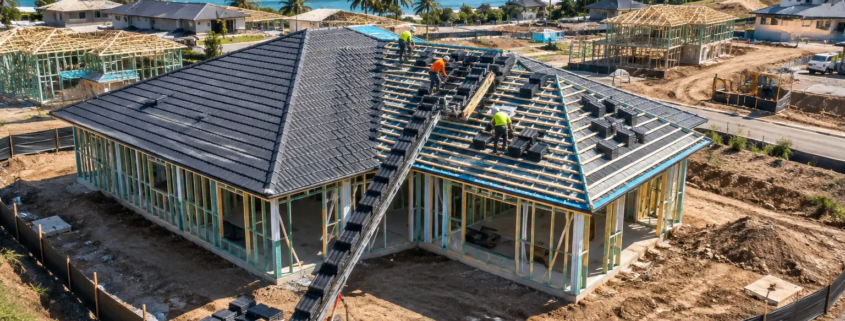
The strongest homes do not happen by accident. They start with a plan that knows exactly what it is trying to do and that fresh vibrant layouts matter.

Residential Home Builders Needing Trendy House Plans Library

A builder in Brisbane or the Gold Coast does not lose sales because clients hate building. They lose sales because the plan feels old as layout harks bark to a bygone era before the slab is even poured. For home builders needing trendy house plans, the real challenge is not finding more drawings – it is finding layouts that look current, fresh, savvy that fit real sites, and can be adapted fast enough to keep momentum with clients who have already seen too many bland options.

That is where trend and practicality need to work together. A fashionable façade might get attention, but the floor plan is what closes the job. If the internal layout feels dark, awkward or dated, poor alignment walls internally, weak location doorways that don’t line up or in some cases not hidden from living areas…the buyers notice! It’s high time to think smarter bolder. They might not use drafting terms, but they know when a home flows well, when the kitchen lands in the right spot as central hub in layout, or when hallways have eaten too much of the footprint.

Why home builders needing trendy house plans should look past facades

Too many builders still get boxed into the same trap – relying on stock-standard concepts that have been recycled from the past that so often they no longer feel aspirational or on trend. The problem is not only style fatigue. It is also commercial fatigue. When every display, brochure and online ad shows near-identical layouts, price becomes the only talking point as the designs generally get lost in the same same un-unique category.

A stronger plan library gives builders a better sales position. Instead of competing on discounting alone, you can offer a design that feels fresh, smarter and more site-aware. That matters whether you are building in Sydney infill suburbs, acreage pockets near Rockhampton, or tight urban lots around Newcastle and Penrith. Different blocks demand different answers, and a trendy plan only works if it also performs.

This is where editable CAD and DWG access changes the game. Rather than starting from scratch with every lead, builders can begin with a strong concept and adjust from there. That saves time, reduces drafting bottlenecks and helps move clients from idea to deposit with less friction.

Gold Coast and Brisbane builders need plans that feel current now

In fast-moving markets, fashion shifts quickly. Open-plan living still matters, but the way it is arranged has changed. Buyers want better kitchen visibility, smoother indoor-outdoor connection, cleaner zoning between private and shared spaces, and less wasted corridor space. They also respond to rooflines and front elevation balance, even if they cannot explain why one home feels sharper than another.

For builders working across Brisbane and the Gold Coast, trend-driven planning often means making compact footprints feel generous. It means using alignment walls well, placing openings where they actually improve light, and avoiding the dead-centre, cookie-cutter arrangement that makes a new house feel like an old project home.

A design such as Casa Ciprani 248 from the Casa range suits this shift in buyer expectations. It has the boutique appeal many buyers want, offers a staggered emotive strong street cred look from the front view; but the real strength is the schematic thinking behind the layout that sets it apart. The same goes for Carthage 234 from the Modern range, where contemporary styling works because the internal planning is not an afterthought and also provides a strong front view style.

Trendy house plans are not just trendy – they must be buildable and saleable

There is no point chasing fashion if the plan becomes hard to price, slow to amend or awkward to construct. Builders need plans that can win attention and still stack up commercially. That means trend has to be filtered through three practical tests.

First, the design has to suit the block types you actually build on. A stunning layout that only works on a rare site is not a reliable sales asset. Secondly, it has to be editable without blowing out time or consultant costs. Thirdly, the plan has to give buyers something noticeably better than the standard display circuit.

That is why narrower and more specialised ranges matter. Narrow Courtyard plans, for example, are not just a niche category. In many parts of Sydney, Canberra and infill Queensland suburbs, they are a practical response to land realities. A well-planned narrow design can feel far more premium than a wider home with a clumsy interior. Consider the Precision 256 from the Narrow Courtyard Range as it offers a distinct look in a fresh vibrant layout. It speaks to a modern site challenge without looking compromised. Or the Ashton 108 from the Homestarter/Corner Block Range, which shows how entry-level does not need to fall back on dull planning just because the budget is tighter and still look bang on appealing.

How builders can use trendy plans without losing control of their brand

Some builders hesitate to source external concepts because they worry about losing design identity. Fair concern. But the real issue is not whether a plan came from outside your office. It is whether you have the right to use it properly, edit it efficiently and present it as part of a polished, region-specific offering.

For smaller and mid-sized builders, buying or licensing plans can be the smarter commercial move than carrying constant concept development overhead in-house. It lets you expand your range without waiting on a full custom drafting cycle each time the market shifts. That speed matters when clients want options this week, not next month.

The key is to work with designs that come with clear purchase conditions and intellectual property boundaries. Builders need legal certainty, especially in Australia where area-based exclusivity and usage rights can directly affect marketing confidence. A pay-as-you-go licensing model or monthly arrangement can suit builders testing demand in a category, while per-plan purchasing can make sense for businesses wanting tighter control over margin and stock.

Sunshine Coast to Cairns: trendy means lifestyle-led, not gimmicky

In Queensland markets especially, buyers are quick to reject anything that looks forced. Trendy does not mean overdesigned. It means the home supports the way people actually want to live now – more natural light, stronger connection to outdoor zones, kitchen location being central hub area interacting better with living zones, better privacy between bedrooms and living, and less formal wasted space.

That is why acreage and rear-garage concepts continue to attract attention when they are handled with confidence. An acreage home should feel expansive without becoming sloppy. A granny flat or garage-at-rear concept should feel deliberate, not secondary. These categories can become powerful sales tools when the layout has enough personality to stand apart from standard catalogue housing.

Our consider our Acreage Range the Exceptional 275 is a strong example of a country-scale home that still feels current rather than drab tired nostalgic. Or Garage at Rear Range, the Savoy 148 shows how compact or secondary-dwelling-focused planning can still carry style and market appeal.

What home builders needing trendy house plans should ask before buying

Not every attractive concept deserves a place in your range. Builders should ask a few hard questions before committing. Can the plan be edited quickly? Does it reflect the kind of buyer you actually target? Is the layout doing the heavy lifting, or is the façade hiding a weak interior? And just as important, what rights are attached to the plan purchase or licence?

This is where commercially savvy builders pull ahead. They do not just collect plans. They curate a range. They choose designs that fill gaps in their pipeline – first-home options, narrow-lot solutions, boutique modern layouts, acreage sellers – and they back those selections with a licensing structure that protects how they operate in their area.

That approach is particularly useful for builders wanting to present something sharper in places like Adelaide, Perth or Hobart, where buyers may want individuality without drifting into impractical custom territory. A strong concept library helps you look bespoke without carrying bespoke inefficiency on every enquiry.

The smarter play for builders who are done with bland

There is no prize for offering the same stale plan set as everyone else. Buyers are more design-aware than they were a decade ago, and builders who keep pushing tired layouts risk looking interchangeable. Fresh planning is not a vanity move. It is a sales strategy.

Pacific Designer Homes Pty Ltd has built its reputation on that exact point – design should be bold at the schematic level, not just dressed up in brochure polish. With thousands of concepts available and editable file options, builders can access designs that feel current, commercially usable and distinct enough to carve out their own patch of the market.

The best trendy house plans are not trying too hard. They simply feel right for the way people want to live now. That is what gets buyers leaning in, asking questions and imagining themselves in the home before the sales conversation even finishes.

See More Trendy House Plans That Sell

If you want fresh, editable concepts that break away from the boring and bland, Explore our full design library and find a design range that gives your next build a stronger edge.

Floor Plan Friday - introducing the Cayman Resort 213

Some floor plans look fine on paper, then fall apart the second you imagine real life inside them. Floor Plan Friday – Cayman Resort 213 is not one of those plans. This one has the sort of layout that earns attention for the right reasons – open where it should be, separated where it matters, and shaped with enough confidence to avoid the usual boring-box feel that drags down so many modern homes. The rear boomerang inspired unconventional verandah is testament to that.

For builders, that matters because a memorable schematic layout sells faster than a flashy brochure render ever will. For buyers, it matters because the floor plan is what you actually live in. Cayman Resort 213 leans into that truth with a resort-inspired footprint that feels generous without wasting area on dead hallways, awkward corners or rooms that do nothing but tick a checklist.

You can view this house on our website under Modern Range located in our Plan Library. Here is the link for quick reference: Cayman Resort 213

Gold Coast appeal in Floor Plan Friday – Cayman Resort 213

Cayman Resort 213 feels right at home in places where indoor-outdoor living seamlessly augments each other is not a bonus but an expectation. Think Gold Coast blocks, Sunshine Coast lifestyles, coastal Queensland estates, or any site where buyers want light, airflow and a layout that feels social without becoming chaotic. That said, the appeal is broader than one postcode. This is a plan with enough flexibility to suit suburban sites across Brisbane, Newcastle or even regional markets where families still want a home with presence.

The reason it works is simple. The layout is built around liveability first, not old-fashioned compartmentalising. Instead of forcing everyone down a dark central corridor and into isolated rooms, the plan opens up the main living domain and gives it room to breathe. That creates a stronger sense of width, better movement through the home and a more premium day-to-day feel.

There is also a commercial edge to this style of plan. Builders know display traffic reacts fast to plans that feel easy, bright and current. A design that reads well in CAD, presents well in sales material and can be adapted for client preferences has real value. That is where editable concept plans earn their keep.

Why Cayman Resort 213 works better than generic resort-style plans

A lot of so-called resort homes are all facade and no discipline. They throw in an alfresco, stretch the living area, and call it luxury. Cayman Resort 213 is more deliberate than that. The strength is in the zoning.

The shared spaces are positioned to become the natural centre of the home. Kitchen, meals and family areas are arranged to work as one connected hub rather than three token rooms pretending to be open plan. That sounds obvious, but plenty of plans still get this wrong by chopping sightlines or placing joinery and circulation paths in ways that interrupt furniture placement.

Here, the flow is the feature. You can picture how daily life moves – cooking, entertaining, supervising kids, stepping outside, coming back in. Nothing feels trapped. That is the difference between a plan drawn to meet a brief and one drawn to sell a lifestyle.

The bedroom zoning is just as important. A proper resort-style home needs retreat and privacy, not just oversized living. If the main suite is positioned well away from the secondary bedrooms, the whole house performs better for families, couples and downsizers wanting guest accommodation. Good separation gives the home longevity because it suits more stages of life.

That broader buyer appeal matters if you are building for resale. It also matters for owner-builders who want confidence that their chosen plan will not date too quickly.

Cayman Resort range thinking, not cookie-cutter drafting

What sets this kind of design apart is the refusal to settle for stale symmetry and boxed-in planning. At Pacific Designer Homes Pty Ltd, the smarter move has always been to put the schematic first. Roofline thinking, alignment walls, room proportion and clean movement patterns matter more than dressing up a weak layout later.

That philosophy shows up clearly in Cayman Resort 213. It has the free-form confidence that gives a plan personality, but not at the expense of practicality. This is not design for design’s sake. It is design with commercial sense.

Builders looking for concept plans they can adapt know the value of that balance. A plan needs enough flair to stand out in a competitive market, but it also needs to build efficiently and suit real blocks. Buyers are no different. They might be drawn in by style, but they stay interested when the plan solves everyday frustrations.

That is where Cayman Resort 213 earns its spot. It feels fresh without becoming risky.

Where Cayman Resort 213 suits Australian buyers best

This plan is especially strong for clients chasing a single-level home with a premium holiday-at-home feel. It suits households that want generous central living, a strong connection to outdoor entertaining, and bedroom zoning that avoids the cramped all-on-top-of-each-other problem seen in many project-style layouts.

It is also well suited to builders servicing coastal and lifestyle corridors where buyers expect more than a basic volume-builder formula. In markets like the Northern Rivers, Tweed Heads or Perth’s outer lifestyle estates, distinctive single-level planning can become a real sales advantage. Buyers in those areas are often comparing multiple display homes and scrolling endless plan libraries. Safe and forgettable does not cut through.

Of course, suitability always depends on the block. Frontage, setbacks, orientation and local building controls all shape how a design should be adapted. That is exactly why editable CAD and DWG access matters. A concept plan with a strong starting layout can be refined far faster than starting from scratch with a draftsperson every time.

For builders: the commercial value behind Cayman Resort 213

A good plan is not just a design asset. It is a sales tool, a time-saver and, when handled properly, an IP asset.

Cayman Resort 213 makes sense for builders who want access to fresh concepts without being boxed into tired catalogue stock. If you are a small to mid-sized builder trying to keep your range current, a plan like this gives you a sharper offer in the market. You can present something that feels boutique rather than mass-produced, while still working from a professionally resolved concept.

There is a second layer here too. Editable files reduce the lag between enquiry and proposal. That speed matters. Clients do not wait around forever while a concept gets reinvented from zero. A strong plan library helps you respond quickly, tailor efficiently and present with confidence.

Then there is exclusivity and licensing. Serious builders understand that design rights are not a loose afterthought. They are part of the business model. Having access to plans through individual purchase, discount structures and Australian-only builder licensing/IP agreements creates a cleaner path for using standout concepts properly rather than drifting into grey areas.

A look at similar ranges and design examples

If Cayman Resort 213 hits the mark for you, it is worth comparing it with a few other design directions across the portfolio to see how different planning styles respond to different briefs. The bold, open feel might sit well alongside upscale boutique Casa Freycinet 230 and modern range home Cenotaph 217. Each design has its own distinct personality, but all show how strong layout thinking can create homes that feel more considered than standard catalogue stock.

That comparison process is useful for both builders and private buyers. Sometimes the right design is the one you first noticed. Sometimes it is the one beside it that solves the site better. The point is to start with plans that already have strong bones.

What to check before choosing Cayman Resort 213

Before locking in any concept, ask the hard questions. Does the living zone face the right way for your site? Will the alfresco connection work with local climate and orientation in regards movement of the sun? Is the main bedroom private enough? Are bedroom sizes adequate or at a squeeze too tight? Ample sizes to living areas? Can the kitchen be adjusted without wrecking the circulation? Will the garage relationship and entry sequence suit your block and streetscape?

Those checks matter because even a strong plan should be tuned to the site and client. No serious designer pretends one layout fits every allotment unchanged. The value sits in choosing a concept that already gets the big moves right.

That is exactly why Cayman Resort 213 stands out. It does not rely on gimmicks. It relies on a floor plan that understands how people want to live now – connected, open, light-filled and without the nonsense of wasted space pretending to be sophistication.

Floor Plan Friday – Cayman Resort 213 for smarter design buyers

If you are over bland project plans and predictable room grids that are outdated, Cayman Resort 213 is the kind of concept worth studying properly. It carries a resort-style mood, but the real strength is its planning discipline. That is what gives it staying power.

For builders, it is a sharper product to take to market. For home buyers and owner-builders, it is a better starting point than settling for whatever the nearest volume catalogue is pushing this month. Strong design is not about more clutter on the page. It is about better decisions in the layout.

See the full portfolio and find a design that fits your market at Explore our full design library

Gold Coast, Cairns, Sunshine Coast Home Builders

The builders getting real traction in Queensland are not the ones recycling the same safe floor plans from five years ago. Gold Coast Cairns Sunshine Coast home builders attention is shifting hard towards designs that look sharper on paper, work better on site, and give buyers something they have not already seen in every second estate release.

That shift matters because these three markets do not behave the same way, even when the sales pitch sounds identical. A plan that feels right on the Sunshine Coast can land flat in Cairns, and a layout that suits a compact Gold Coast infill site might be the wrong fit for a breezier coastal block further north. If you are a builder, developer, owner-builder or landowner, the smart move is not chasing more plans. It is choosing better ones.

Why Gold Coast, Cairns and Sunshine Coast home builders need a sharper design edge

Queensland buyers are more visually switched on than many builders give them credit for. They notice when a home has a clumsy hallway, wasted floor area, or a facade trying too hard to dress up an average plan. They also notice when a layout feels bright, open and commercially on point before a single tile or tapware selection enters the conversation.

That is where strong schematic design does the heavy lifting. Good design is not brochure gloss or photo realistic artistry impressions. It is what happens when the roofline, alignment location of the walls, living zones and practical circulation all work together from the beginning. Builders who lead with that thinking usually present better, quote faster and waste less time pushing concepts that never had enough spark to begin with.

For Gold Coast builders, this often means tighter, more marketable plans for narrow or premium blocks where every metre counts. For Sunshine Coast builders, there is usually more room to push lifestyle, indoor-outdoor flow and relaxed planning without letting the home become sprawling and sloppy. In Cairns, climate response and practical liveability have to sit alongside street appeal. Different markets, same commercial truth – bland stock plans rarely create strong buyer attention.

Gold Coast builders and the narrow-lot opportunity

The Gold Coast continues to reward builders who can do more with less land. Compact sites, premium frontage expectations and a buyer base that wants style without obvious compromise make narrow and courtyard planning especially valuable here.

A design like Mercurial 229 from the Narrow Courtyard range speaks directly to that brief. It is the sort of plan that does not apologise for a tighter site. Instead, it uses the footprint with intent, pushing liveability and visual punch at the same time. That is the difference between a home that merely fits and a home that actually sells.

The same logic applies to first-home and investor-driven builds where margins matter. If the plan is clean, editable and ready to adapt, builders can move far quicker than if every client variation has to circle back through a fresh drafting process. That speed is not just convenient. It is commercial leverage.

Sunshine Coast demand leans lifestyle first

The Sunshine Coast market tends to reward homes that feel open, calm and easy to live in, but there is a trap here. Plenty of builders hear lifestyle and respond with oversized generic living areas that chew up area without adding real value.

A better approach is a plan with purpose. Homes in this region need natural movement, good zoning and a strong connection between kitchen, living and outdoor space. They also need enough personality to avoid looking like another copy-and-paste project home.

A strong purposeful example is Castello Aragonese 248 from the Modern range. It suits buyers who want a cleaner, fresher layout rather than a tired arrangement of boxed-off rooms. The point is not just aesthetic appeal. It is giving the builder a design that reads modern from the very first look at the floor plan.

For Sunshine Coast builders working with boutique clients, the Villa and Casa categories can also carry more weight than standard suburban ranges. Buyers in this bracket often care less about ticking standard inclusions and more about finding a layout with genuine identity.

Cairns builders cannot ignore climate, but style still wins attention

Cairns builders know practical response to climate is part of the conversation, but practical should never mean dull. Too many plans marketed as tropical or regional still fall back on tired layouts and awkward room relationships.

A better result comes from plans that stay bright, minimise dark internal corridors and keep the key living spaces feeling breathable. That does not mean every Cairns home should be sprawling or heavily customised from scratch. It means the base concept needs to be clever enough to adapt well.

For buyers wanting a bolder single-level option with cleaner circulation, Casa Freycinet 230 from the Casa range shows how stronger planning can carry both style and function. It gives builders a more refined starting point than the sort of dated stock plans that still float around parts of the market.

Editable CAD files change the game for builders

This is where many builders start paying closer attention. A great concept is valuable, but a great concept with editable CAD or DWG access is where time, money and control start coming back into the business.

Small to mid-sized builders do not always want to send every early concept back through an architect or draftsperson just to test a frontage change, shift a room, or respond to a client brief. Having access to an editable library means the builder can move faster at the front end, sharpen quoting workflows and present more original options without carrying the same design overhead every time.

That matters in all three markets. Gold Coast builders can respond faster to lot-specific constraints. Sunshine Coast builders can tailor plans to a more lifestyle-driven buyer brief. Cairns builders can make practical regional adjustments without starting from zero.

There is also a branding advantage. When you are not relying on the same recycled plans your competitors are using, your business starts to look more distinct. That attention is hard won and easy to lose.

Home buyers notice layout quality before they know why

Individual buyers often cannot explain why one plan feels better than another, but they feel it straight away. They recognise when the kitchen is in the right spot, when the main living zone feels generous rather than bloated, and when the bedroom layout does not create pointless dead space.

That is why smarter builders do not lead with facade hype alone. They lead with floor plans that hold together. For owner-builders and landowners, that same principle applies. A concept plan should not just look impressive online. It should stand up to the realities of your site, budget and lifestyle.

If you are comparing options in Queensland, pay attention to how a plan handles movement, privacy, light and furniture placement. Those basics decide whether a home keeps working once the novelty wears off.

Attention follows exclusivity, not just volume

There is a big difference between having access to thousands of designs and having a commercial pathway to use them properly. Builders should care about design rights, licensing conditions and area-based exclusivity because those details affect how unique their offering really is.

Pay-as-you-go builder licensing can make far more sense than locking yourself into bloated overheads before you know which concepts will gain traction in your market. Monthly options may suit some businesses better. Franchise pathways may suit others. It depends on your build volume, your region and whether you want breadth, exclusivity or a mix of both.

What does not make sense is treating design IP as an afterthought. If you are serious about standing apart in Gold Coast, Cairns or Sunshine Coast markets, your plan source and usage rights matter nearly as much as the designs themselves. Smart operators protect both.

Acreage, granny flat and modern demand is still moving

Not every Queensland buyer is chasing the same block type or build style. Some want acreage presence. Some need a practical rear-loaded arrangement with granny flat potential. Others want a modern single-level home that avoids the stale project-home feel by offering a stylish signature look above the crowd of same same that is in the marketplace.

That is why range depth matters. A builder who can move between compact urban layouts, boutique modern homes and practical family designs is better placed to capture more buyer types without watering down quality. One strong design category is useful. A broad portfolio of genuinely different options is far more powerful.

For regional and outer-metro builders especially, that flexibility can help secure clients who would otherwise assume they need custom design from scratch. Often they do not. They simply need a better base plan.

The real question for builders in these markets

The real issue is not whether Gold Coast, Cairns and Sunshine Coast buyers are paying attention. They are. The question is whether your current plan offering is strong enough to hold that attention once they look past the facade.

If your concepts still rely on tired hallways, dead corners and safe old room arrangements, the market will keep pushing back. If your plans are fresh, editable, commercially sharp and backed by clear usage rights, you are in a much stronger position to win better enquiries and present with confidence.

See the full portfolio and find a design that fits your market at Explore our full design library

The builders who stay memorable are usually the ones bold enough to stop selling the same old plan layout dressed up different ways…it is time to elevate your senses with something bold brash renewed.

Residential Home Builder Franchise IP Plan Portfolio

A builder in Brisbane or the Gold Coast does not lose work because clients hate building. They lose it because the plans look tired, the façade feels recycled, or the layout reads like every other project home brochure on the table…unique fresh differentiation is the key! That is exactly where a home builder franchise intellectual property plan portfolio earns its keep. It is not just a stack of drawings. It is a commercial asset that shapes how you sell, how quickly you quote, and how well you protect what makes your offering different.

For builders who are sick of chasing one-off concept work every time a lead asks for something fresh, the right portfolio changes the conversation. Instead of starting from zero, you start with proven layouts, editable CAD and DWG files, and a licensing structure that gives you clearer rights in your territory. For home buyers and owner-builders, it means access to smarter designs that feel considered from the roofline down, not patched together after the fact.

Why a home builder franchise intellectual property plan portfolio matters

There is a legal side and a sales side, and pretending one matters more than the other is how builders get caught out. The sales side is obvious. A strong plan portfolio gives you variety, speed and a better chance of matching the right design to the right block, budget and buyer. The legal side is where many operators get lazy. If your rights to use, edit, market or repeat a design are vague, your business is exposed. As part of that transaction with us, we require electronic lodgement of your site builds so what we get charged matches our plans built.

A proper franchise or licencing arrangement around residential plans should tell you who owns the copyright, where you can use the design, whether your area is protected, and what happens when a client asks for modifications. That matters whether you are selling homes in Sydney’s outer suburbs, servicing narrow lots in Newcastle, or pitching acreage homes around Rockhampton.

This is also where the portfolio itself matters. A weak library with a handful of bland layouts is not a strategy. A broad catalogue with distinctive schematic planning is. Builders need options that cover real market demand – modern family homes, narrow courtyard layouts, acreage designs, granny flat solutions and boutique villa product that does not look like a clone of the house next door.

Gold Coast and Brisbane builders need IP clarity, not guesswork

In fast-moving markets, speed is valuable, but clarity is more valuable. Builders often assume that buying a plan means they can use it however they like. That is not how intellectual property works. A purchased plan may allow one build when purchased as singular costing after discount to builder, repeat use under licence, regional exclusivity, or limited marketing rights. Each arrangement affects margin, risk and future pipeline.

If you are a small to mid-sized builder, this is where a pay-as-you-go model can be smarter than employing in-house drafting staff for every concept stage or providing you a plan base library to go to the marketplace to start with. We have the hard yards already done and it’s just a case to tactfully select what you require to suit your location. You get access to a wider design base without carrying full-time overheads, but only if the IP agreement is commercially sensible. Monthly subscription models can suit active builders with regular turnover. Per-plan licensing can suit builders who want flexibility. Franchise-style rights can suit operators who want stronger differentiation in a set area.

The trade-off is simple. Broader rights usually carry more commitment. Lower-entry options are flexible, but may not give the same exclusivity. It depends on your volume, your region and how aggressively you want to market a point of difference.

Sunshine Coast acreage range and modern range advantages

A serious builder portfolio should not force every client into the same planning logic. Lifestyle blocks on the Sunshine Coast need a different response from compact sites in Penrith or infill lots in Adelaide. That is where range diversity becomes commercially useful rather than decorative.

In the Acreage category, a design such as the Coventry 237 gives builders a product that feels expansive without wasting space on gloomy corridors and dead areas wrapped into a unique style flow. In the Modern category, the Atocha 225, shows the kind of clean crisp planning and stronger alignment that helps a design feel sharp on paper and persuasive in a sales meeting. For compact living with style, in the modern range the Aroma 206 presents well and brings emotive appeal that sits well with buyers wanting something more refined than standard project stock.

These examples matter because a portfolio should do more than show external style. The floor plan layout is the real sales engine. Buyers live in the layout, not the brochure cover or realistic facade images on glossy stock paper. Builders also know that editable source files are where the value lifts again. If the base concept is right, tailored amendments are faster, cleaner and more cost-effective.

What builders should check before joining a franchise plan portfolio

The first issue is territorial rights. If you are buying into a franchise or licensed IP arrangement, ask how exclusivity is defined. Is it by suburb, city, region or broader catchment? A builder operating across Cairns and Townsville-style markets will think about area rights differently from a builder servicing dense metro corridors in Sydney.

The second issue is file access. PDF brochures are useful for marketing, but they do not solve design workflow. Editable CAD and DWG files matter because they reduce friction when adapting plans for local overlays, engineering requirements or client-driven changes.

The third issue is repeat use. Some builders want a one-off plan for a custom client. Others want a repeatable product line they can market again and again. The licensing terms need to match that intention. Buying the wrong type of access often looks cheap upfront and expensive later.

The fourth issue is design quality. If the portfolio is filled with stale drab, formula layouts, legal access will not save your conversion rate. You need plans with stronger internal flow, natural light awareness and a layout language that feels current.

Newcastle, Sydney and regional NSW builders need sharper product control

Across Newcastle, the Central Coast, Port Macquarie and up through Coffs Harbour, there is no shortage of competition. Plenty of builders can build. Fewer can present a clear design identity backed by legally sound usage rights. That is where a smarter portfolio strategy starts to separate serious operators from everyone else.

A builder who can show a client a distinctive courtyard home, a practical corner-block option, a stylish granny flat solution and a modern family layout is already in a stronger position than a builder waiting on outsourced concept sketches. Add area-based IP protection, and you begin building something more valuable than a one-off sale. You build product control.

That control can also tighten quoting time. With a library of proven plans, estimating becomes more predictable. Sales staff can move faster. Drafting revisions start from a stronger base. The client experience improves because options are ready to discuss, not still floating around as vague ideas.

Home buyers benefit too – especially when design rights are handled properly

This topic is not only for builders. Home buyers, owner-builders and developers should care about the licensing side because it affects what can be changed, what is supplied, and how the plan can be used. If you are buying a concept plan for a single build, you want clarity from day one. If a builder is offering a design under an exclusive area arrangement, that can also influence resale appeal and neighbourhood uniqueness.

For buyers looking at narrower lots or rear-lane options, a strong portfolio opens up practical choices that still feel individual. A design such as the Novotel 155, can answer site constraints without slipping into blandness. For first-home or corner-block buyers, the Arrawarra 136 is a well-planned Homestarter concept that can be the difference between making the site work and constantly compromising. We offer vast choice to suit means it’s a bonus for builders.

There is also a confidence factor. When the plan origin, usage rights and editing pathway are all clear, decisions are easier. You are not wondering whether the design can be adapted or whether someone else can market the same concept next door under the same terms.

The commercial edge of a smarter portfolio model

The strongest argument for a home builder franchise intellectual property plan portfolio is not theory. It is efficiency with teeth. You cut concept lead times, reduce dependency on ad hoc drafting, improve presentation quality and gain a more defensible offer in your area.

That does not mean every builder should jump straight into a franchise model. Some will be better served by pay-as-you-go access, especially if they are testing new markets or scaling cautiously. Others will want subscription access to keep a steady flow of concepts moving. And some will see clear value in franchise-style rights where exclusivity is part of the sales pitch.

What matters is matching the model to the business. If your target market expects originality, practical planning and a polished point of difference, a generic plan source will drag you backwards. If your business is ready to compete on sharper design and clearer rights, the right portfolio becomes part of your sales machinery, not just your drafting cupboard.

See the 200 examples of our Home Design Portfolio

If you want plans that break away from the boring and bland, with flexible purchasing options and licensing pathways for builders, Explore our full portfolio of home designs here. A better plan library does more than fill a website – it gives you something stronger to sell tomorrow morning. Don’t settle for less when you deserve more variety and choice!

Update to Savvy Design Principles Philosophy...residential home builders Australia

If a house plan still starts with a boxy footprint, a token facade and a corridor that chews up enough floor area, it is overdue for an update to savvy design principles philosophy. The market has moved on. Buyers are sharper, builders need faster concept turnaround, and nobody wants to pay for dead space dressed up as design. The smarter play is to rethink the plan from the roofline down, shape rooms around real movement, unconventional zig zagging layouts whereby we think beyond a plain square shape or rectangle or L shape footprints and build in character before the facade stage tries to fake it.

That shift matters whether you are a builder in Brisbane needing editable concepts that do not look like everyone else’s, or a landowner on the Sunshine Coast hunting for a home that feels open, practical and a bit daring. Good design philosophy is not theory for a brochure. It is the commercial engine behind a plan that sells, a layout that lives well, and a file set that can be adapted without starting from scratch.

Why the update to savvy design principles philosophy matters

For years, too much housing stock has been driven by repetition. The stock standard drab design old principle of come through the front door, with garage to one side and bed 1 on other side before walking up a featureless straight runway of a dark hallway whereby the overall thought of layout has not progressed thoroughly enough into direction taken what occurs. A narrow hallway here, a dark middle section there, and a kitchen pushed into the plan as if it were an afterthought. It may tick a few standard boxes, but it rarely creates a home with punch. That is the exact point where a proper update to savvy design principles philosophy earns its keep.

The modern buyer notices proportion, sightlines and flow faster than many builders think. Too many plans have walls not lining up in those sightlines due to poor placement of schematic wall layout or doorways opening into rooms when they shouldn’t with lack of privacy thought. They may not use those words, but they feel them. They notice when the living space opens up naturally to an alfresco. They notice when the main bedroom has privacy without being shoved into a leftover corner. They notice when the plan has rhythm instead of a string of rooms hanging off a hallway. HELLO YOU HAVE ARRIVED….OUTDATED IS IN REAR VIEW MIRROR WHERE WE TAKEN A PARADIGM SHIFT INTO DESIGN ETHOS!

For builders, the benefit is just as blunt. A stronger concept plan shortens the path to a sale. It helps differentiate your display offering and gives you something harder to copy. When you can access editable CAD and DWG files, you also reduce the drag of redrawing basic concepts from the ground up. That saves time, but more importantly, it keeps momentum with clients who want answers quickly.

Gold Coast rooflines and the top-down way of thinking

A lot of project housing still treats the roof as a lid. That is a mistake. The roofline should help generate the plan, not just cover it. The roof layout is determined to work best as possible to window & door openings to suit brickwork and then locate external & internal walls thoughtful with fluent style to bring up renewed harmony and flow to the overall layout. Spark floorplan thought back to life from a bygone past! In places such as the Gold Coast and Newcastle, where streetscapes can quickly become a parade of sameness, the top-down approach is one of the clearest ways to create a home that looks resolved rather than assembled.

Starting with the roofline changes the geometry of the whole design. It pushes you to think about volume, ceiling drama, light entry and the way external form supports the internal plan. It can also sharpen the facade without relying on decorative clutter. That is a better long-term strategy than trying to rescue a dull layout with expensive finishes.

There is a trade-off, of course. A more expressive roof form needs discipline. If handled badly, it can become fussy or inflate construction cost. The answer is not to retreat into blandness. It is to shape the floor plan and roof together so that every move earns its place.

That is why designs with free-form symmetry feel more alive. They are not chaotic. They are balanced in a looser, smarter way that avoids rigid, cookie-cutter repetition. The result is a home with identity before colour selections or facade upgrades even enter the conversation.

Brisbane living zones that ditch dark hallways

The biggest practical shift in this philosophy update is the refusal to waste metres on lifeless circulation. Hallways are sometimes necessary, but long internal tunnels are usually a sign the plan gave up too early. A stronger layout uses alignment walls, open transitions and purposeful room placement so the home feels connected without becoming messy.

This is especially valuable on family sites around Brisbane, Penrith and the Central Coast, where buyers want openness but still need zoning. The answer is not one giant room with no privacy. The answer is controlled openness. Shared areas should feel bright and generous, while quieter rooms pull away just enough to do their job.

Take the Modern range as an example. The Casa Camiglati 266 https://pacificdesignerhomes.com.au/product/casa-camiglati-266-2/ shows how open-plan living can still feel structured when the kitchen, dining and family zones are aligned with savvy design intent rather than lumped together. In the Acreage space, the Baldivis 279 https://pacificdesignerhomes.com.au/product/baldivis-279_1/ demonstrates how scale works best when circulation is absorbed into the living areas rather than carved off into gloomy passageways and providing a plan that breaks away from plain alignment of boring shapes.

That kind of planning is not just nicer to live in. It presents better. When clients walk through a concept, either on paper or in conversation, they can understand it quickly. That clarity helps sales.

Sunshine Coast and Cairns buyers want plans with backbone

There is a tendency in parts of the market to confuse flexibility with vagueness. A plan gets labelled adaptable when, in reality, it just lacks direction. Savvy design philosophy should be flexible, but it also needs backbone. Rooms should have a reason for being where they are.

In warmer regions such as the Sunshine Coast and Cairns, that backbone becomes even more important. Orientation, breeze capture and indoor-outdoor connection all matter, but none of them excuse a weak internal layout. A home can be climate-aware and still be bold. In fact, the strongest plans usually are.

That is where category-specific thinking helps. A narrow lot should not be treated like a shrunken suburban block. A granny flat or garage-at-rear concept should not feel like a compromise. A villa should carry boutique confidence, not just bigger square metre numbers. The philosophy update is about respecting the logic of each range while keeping a strong design signature through all of them.

You can see that in a tighter format like Adina 203 https://pacificdesignerhomes.com.au/product/adina-203/, where internal openness and courtyard placement work together to stop the home feeling pinched and packaging layout with appeal. In a more boutique style, the Villa Amorgos 250 https://pacificdesignerhomes.com.au/product/villa-amorgos-250/, carries a sharper sense of arrival and flow without slipping into showy excess with the centrally located kitchen hub.

Update to savvy design principles philosophy for builders

For small to mid-sized builders, philosophy is only useful if it converts into something practical and profitable. That means the design approach has to support workflow, client presentation and licensing clarity. It is not enough to say a plan looks fresh. You need to know how quickly it can be adapted, how confidently you can present it, and what rights come with using it.

This is where editable plan libraries change the game. Instead of waiting on fresh concepts for every lead, builders can start from a strong schematic base and tailor from there. The commercial advantage is obvious. Faster turnaround helps keep prospects engaged, and a larger design pool makes it easier to offer area-specific exclusivity or at least a point of difference.

There is also a legal side that should never be treated casually. Intellectual property around house plans matters. Licensing terms, builder usage rights and purchase conditions are not boring fine print. They are part of protecting design value. If you are buying at RRP after discount pricing and accessing Australian-only builder licensing or a PAYG arrangement, that structure gives you a clearer and more defensible path than the loose, informal sharing of concepts that still happens far too often in the industry.

That precision is good business. It protects the creator, gives the builder confidence, and reduces the risk of disputes later.

Sydney, Adelaide and Perth clients are harder to impress now

That is not bad news. It is a filter. Buyers in Sydney, Adelaide and Perth have seen enough volume-home marketing to know when a design is all facade and no substance. They are less likely to be swayed by surface tricks alone. What cuts through is a layout that feels original, efficient and liveable from the first glance.

The homes that win attention now are the ones with emotional pull backed by practical sense. They have a strong central living area, cleaner room relationships, less wasted space and a visual identity that starts in the plan. They do not apologise for being fun, funky or a little brash. But they also do not forget the basics – storage, privacy, furniture logic, buildability and natural light still matter.

That balance is what separates a memorable concept from a gimmick. Some clients want maximum flair. Others want restraint with edge. It depends on the block, the budget and the target market. A smart design philosophy does not force every buyer into one mould. It gives them a stronger starting point than the usual bland default.

The best update to this philosophy is not cosmetic. It is structural. Think better from the beginning, and the entire design gets stronger without relying on marketing spin to carry it.

Hobart to Darwin, the best plans still start with guts

Across very different markets, from Hobart to Darwin, one rule stays firm: the plan has to have guts. It needs conviction in the way spaces connect, in the way the roofline shapes the home, and in the way the layout avoids stale old habits. Good houses are not assembled from standard pieces and then disguised as custom wrapped around facades. They are conceived with intent first and foremost in the layout.

That is why a smart plan library matters so much. Whether you are a builder after editable concepts or a buyer comparing fresh options, the real value sits in original schematic thinking. Not brochure fluff. Not copied formulas. Proper floor plans with presence.

See the Full Portfolio

If you want bolder layouts, smarter editable concepts and original homes that break free from the boring and bland, explore the full portfolio at https://pacificdesignerhomes.com.au/.

Are Stock House Plans Cheaper in Australia or Worlwide?

If you’re pricing up a new home and asking are stock house plans cheaper, the short answer is yes – usually. But the real answer is more commercial than that. A stock plan is often cheaper to buy than commissioning a one-off custom design from scratch, yet the total value depends on how much reworking the plan needs, how clear the licence terms are, and whether the layout is actually buildable on your site.

That matters whether you’re a builder in Brisbane trying to move faster on client presentations or a landowner in Newcastle wanting a sharper design without paying custom-design money upfront. Cheap on paper is one thing. Cost-effective in the real world is another.

Are stock house plans cheaper for builders and buyers?

In most cases, stock house plans are cheaper at the concept stage because the heavy lifting has already been done, chiefly the style layout flow of shape overall schematics. The floor plan exists, the room relationships are resolved, and the design language is established. You are not paying a designer to start from a blank page, explore multiple dead-end options and redraw the whole job every time the brief shifts.

For builders, that can mean quicker quoting, faster lead handling and less dependence on a draftsperson for early concepts; importantly it gives you a plan portfolio to go to your local marketplace. For home buyers, it can mean access to a stronger layout and better street appeal without the full cost of a bespoke design service.

Where people get caught is assuming every stock plan is automatically cheap in the final build. It isn’t. If the design is bland, poorly resolved or loaded with awkward spaces, any saving at purchase can disappear once changes begin. That is why the layout matters far more than brochure fluff. A unique smart stock plan should already feel considered, not generic.

Gold Coast or Sunshine Coast or Cairns buyers often save most when the plan needs fewer changes

The biggest price advantage comes when you choose a design that already suits your block, lifestyle and budget. If you’re on a standard lot on the Gold Coast or in a newer estate around Sydney’s fringe, a well-matched stock plan can save serious time and money because you are adapting, not inventing.

If, however, you buy a plan for a narrow block and then try to force it onto a wide acreage site, or you need major structural changes, facade changes and room relocations, the maths shifts. You may still spend less than on a fully custom concept, but the gap narrows.

That is why good buyers and smart builders do not start with the cheapest plan. They start with the right plan.

A few examples show the difference. A narrow-lot buyer looking at the Abruzzi 227 https://pacificdesignerhomes.com.au/product/abruzzi-227/ from the Narrow Courtyard range may find the design already solves privacy, light and flow in ways that reduce redesign costs. An acreage client may get better value from the Eventful 244 https://pacificdesignerhomes.com.au/product/eventful-244/ from the Acreage range because the proportions and zoning are already tailored to that style of living in a purposeful strong bold package. And for compact secondary dwellings, the Savoy 148 https://pacificdesignerhomes.com.au/product/savoy-148/ from the Granny Flat/Garage at Rear range can make more commercial sense than trying to custom-design a small home with every square metre contested.

What makes a stock plan genuinely cheaper?

A stock plan becomes genuinely cheaper when it cuts design time without creating construction headaches. That sounds obvious, yet many people compare only the upfront drawing fee and ignore the more expensive parts downstream.

Builders in their bill of quantities to each house price in builder portfolio detailing costings, should include a base drafting fee of a possible $1,200+ AUD allocated towards their drafting costing to start with. We already have the concept base done to enable any plan changes depending upon factors such as client changes, site or local authority requirements to be fast-tracked from pre-prepared plan we provide you with.

The first saving is speed. When a plan is ready to review now, you can move into pricing, sales discussions and feasibility faster. Builders know this is where momentum matters. A client who waits weeks for a concept may drift. A client who sees a strong plan today is far easier to convert.

The second saving is predictability. A proven layout usually gives a clearer starting point for estimating. Room sizes, circulation, roof form and general massing are already visible. You are not trying to cost a vague wish list.

The third saving is editability. This is a major one. If the plan comes with editable CAD or DWG capability, changes can be handled more efficiently than re-drawing from scratch. For builders, that can be the difference between using a design library as a real business asset or just buying static artwork.

Brisbane and Newcastle projects – where stock plans can cost more

There are situations where stock plans can end up costing more than expected. Sloping sites, unusual overlays, bushfire constraints, flood requirements, engineering complications and strict estate covenants can all drive changes. In those cases, the stock plan is still useful as a starting schematic, but it is not the whole cost story.

Another issue is licensing. This is where commercial reality kicks in. A cheap plan with vague or restrictive usage terms may be poor value for a builder who wants repeat access, area protection or editable files. By contrast, a plan with clear pricing and proper intellectual property conditions can be worth more because it protects how the design can be used.

That matters especially for smaller builders in places like Brisbane, Penrith or the Sunshine Coast who need fresh concepts regularly but cannot justify custom design fees for every lead. If you’re comparing prices, compare the rights as well as the drawings.

Why custom still has a place

Custom design is not the villain here. It has a clear role. If your site is highly unusual, your brief is deeply specific, or your market needs something no existing layout can satisfy, custom may be the better investment.

But plenty of people pay custom fees for problems a strong stock plan could have solved from day one. That’s where money gets wasted. Not on design itself, but on unnecessary reinvention.

A commercially sharp approach is to start with a plan library that already covers different living styles and lot conditions, then modify only where needed. That gives you design confidence without paying for every line twice.

Are stock house plans cheaper when style matters too?

Yes, if the design library is actually worth buying from. This is where the market splits. Some stock plans are cheap because they are tired, clunky and full of dark hallways, leftover corners and lazy room placement. They may save money upfront, but they do not help you sell the dream, win the client or enjoy the home.

A stronger stock plan should already feel modern like the Mondrian 241 from the Modern Range https://pacificdesignerhomes.com.au/product/mondrian-241/ in the way it lives and have a definitive bold look to it. Better alignment, cleaner open-plan flow, more intelligent zoning and a roofline considered from the start all add value long before construction begins. Good design does not stop being good because it sits in a catalogue.

For buyers chasing a boutique feel without going fully bespoke, boutique ranges like Casa, Villa offer that trendy upscale dynamic style, for example the Villa Moderne 223 from the Villa Range offers a stylish savvy bold style that may appeal; https://pacificdesignerhomes.com.au/product/villa-moderne-223/, or other ranges such as Modern, Homestarter/Corner Block, Narrow Courtyard and Acreage can offer a much smarter middle ground by offering a broad selection to go to the marketplace. The point is not to buy a generic shell. It is to choose a design with enough punch and practicality that it stands up on its own, then tailor it where it counts.

The smarter way to compare plan costs

If you really want to know whether stock house plans are cheaper, compare four things instead of one purchase price. Compare the initial plan fee, the likely cost of modifications, the value of the usage rights, and the time saved getting to quote or approval. That gives you a truer reading of value.

For builders, the smartest buy is rarely the lowest advertised number. It is the plan that helps you present faster, sell easier and build with fewer surprises. For owner-builders and home buyers, the best value is usually the plan that already fits your land and lifestyle closely enough that changes stay controlled.

That is why stock plans continue to make commercial sense across Australia. Used properly, they reduce wasted design spend, accelerate decisions and give you a more polished starting point than a blank sheet ever will.

See More Daring Designs That Break Free from the Boring and Bland

If you want a refined unique answer than guesswork, explore the full portfolio at https://pacificdesignerhomes.com.au/ and start with a design that already does more of the work for you. The Best Move You’ll Ever Make!

Narrow Courtyard Home Designs for residential home builders

A narrow block can punish a lazy floor plan fast. You get dark hallways, cramped rooms, windows staring straight at the fence and a home that feels longer than it lives or worse still a design that harks back to the past boring bland as simply outdated. That is exactly why narrow courtyard home designs matter – they turn a difficult site into something sharper, brighter and far more liveable.

For builders, this category is a commercial weapon when clients want something that does not look like every other project home in the estate. For owner-builders and buyers, it is often the difference between squeezing onto a skinny lot and actually enjoying the house once the keys are in hand. The narrow courtyard category is not just a styling move. In the right plan, it fixes light, privacy, airflow and circulation in one hit.

Why narrow courtyard home designs suit Australian blocks

Across Brisbane, Sydney, the Gold Coast and plenty of newer estates in between, narrow lots are not rare anymore. Frontages tighten, side setbacks bite, and the old formula of a straight corridor with rooms pinned to either side starts to feel stale very quickly. On these sites, the courtyard becomes a working part of the plan rather than a decorative extra.

The big win is borrowed space. When internal living areas open to a courtyard, the house feels wider without needing a wider title. Instead of every room relying on the perimeter boundary for light, the plan creates its own internal edge. That gives you more freedom with room placement and usually a stronger sense of privacy too.

It also suits the way Australians actually live. A protected outdoor zone at the centre or side of the plan can handle a morning coffee, a quiet patch of garden, a plunge pool on larger versions, or simply a clean visual break between bedroom wings and living areas. It is practical, not precious.

Nrrow courtyard home designs with real flow

The mistake many designers make on narrow homes is treating the block like a drafting exercise. They push boxes around until the rooms fit, then hope the facade will save it. It rarely does. Good narrow courtyard home designs start with flow and natural light, then build the style around that framework.

That means fewer dead-end corridors, fewer internal rooms starved of sunlight and more alignment between kitchen, dining, living and outdoor space. A courtyard can sit beside the main living hub, between bedroom zones, or near the entry to create a stronger sense of arrival. Which option works best depends on privacy, orientation and how much width the site actually gives you.

On a tighter urban block, a side courtyard often does the heavy lifting because it opens the living area without chopping the plan into awkward pieces. On a wider narrow lot, a central courtyard can become the heart of the home, breaking the plan into more useful zones. Neither is automatically better. The right answer depends on how the house needs to perform.

What separates a smart plan from a skinny compromise

The strongest narrow courtyard homes do not feel like compromise homes. They feel deliberate. That comes down to proportion, room placement and restraint.

First, the living area has to earn its width. If kitchen benches, dining circulation and lounge furniture all fight for the same strip of floor, the courtyard will not save the plan. The internal dimensions still need to work.

Second, bedroom placement matters more than people think. A master suite at the front can suit some buyers, especially when privacy is handled well through setbacks, screening and landscaping. In other cases, pushing the master deeper into the layout creates a calmer retreat. Secondary bedrooms can flank the courtyard if windows and acoustic separation are handled properly, but that requires care, not guesswork.

Third, the courtyard itself has to be usable. Too narrow and it becomes a lightwell with landscaping bills. Too exposed and it loses the privacy benefit that made it attractive in the first place. A good courtyard should feel like an outdoor room, not leftover space.

Casa and Villa thinking on narrow lots

This is where style and planning need to work together. A lot of homes look dramatic in elevation but become generic once you step inside. We take the opposite view. The schematic layout is the star, because that is what shapes daily living long after the sales brochure disappears.

Our design approach leans into free-form symmetry, clean alignment walls and rooflines that are considered early, not thrown on at the end. This is evident when viewed particular front on as you can see staggered roof junctions break up that boxy bland look to give it both purpose and visionary distinct character. In narrow courtyard homes, that thinking helps avoid the usual boxed-in feeling. Ceiling lines, glazing positions and courtyard placement can all work together to make the home feel composed rather than crammed.

Buyers drawn to a more boutique result often like the way courtyard planning crosses over with our Villa and Casa mindset – open living, stronger visual drama and better internal connection. Builders like it because a distinctive layout gives them something harder to compare against standard catalogue stock.

Portfolio examples worth a closer look

A few plans in our range show exactly how this category can outperform a conventional narrow layout.

The Harbourside 252 is a strong example of how a courtyard-led arrangement can open up the main living zone and create a more premium feel on a restricted frontage. The internal flow is clean, and the layout avoids the usual tunnel effect that drags down many narrow homes.

The Casa Sophia 253 demonstrates how a courtyard can add privacy and softness without sacrificing bold planning. It suits buyers who want a home that feels more tailored upmarket and less like a cut-down standard plan.

For builders needing a sharper concept to show clients on infill or estate lots, the Villa Ravenna 252 is the kind of layout that helps separate your offer from bland stock plans. The attraction is not just the facade language but that distinction character style. It is the way the plan creates openness where narrow homes usually feel pinched.

These examples matter because they show the category is not one-note. Courtyard planning can support different lifestyles, budgets and presentation styles when the layout has been thought through properly.

For builders: why this category sells

If you are a builder, narrow courtyard home designs give you a smarter pitch than simply saying you can fit a four-bedroom house on a 10 metre frontage. Clients already know houses can be squeezed in. What they want to know is whether the result will live well.

That is where an editable plan library becomes commercially useful. Instead of starting every concept from scratch with a draftsperson who then has to devise styles of designs, you can work from proven fresh vibrant layouts, adjust them to suit your market and secure the right usage pathway for your business model. That saves time and often helps you move faster in early client conversations.

There is also a branding advantage. When your concept range includes homes with better light, cleaner circulation and more original planning, you stop competing only on facade swaps and square metre rates. You are offering a stronger product.

Of course, this category is not magic. Courtyard homes can involve more glazing, more attention to privacy and careful handling of orientation. Some clients will prefer maximum backyard over an internal outdoor room. Others will want simpler construction. That is fine. Better design is not about pretending every solution suits every site. It is about knowing which plan type solves which problem.

For home buyers: what to check before you choose

If you are buying for your own block, ask a harder question than how many bedrooms fit. Ask how the home gets light into the middle of the plan, where privacy is strongest, and whether the courtyard is large enough to use rather than simply look at.

Think about your daily pattern. If you entertain often, the courtyard should connect naturally to kitchen and living spaces. If you want bedroom separation, the plan should create that without sending everyone down a long dark hallway. If you work from home, there may be value in a study or front room that borrows light from the courtyard rather than from the street.

Also look beyond the facade render. Roof shape, wall alignment arrangement and room proportion all influence whether the finished house feels calm and premium or just busy or boring. A clever narrow home does not need to shout. It just needs to work harder.

The practical edge of editable narrow courtyard plans

For both builders and serious owner-builders, the advantage of a concept that is already well resolved is speed. A strong base plan can be adapted more efficiently than a weak one can be rescued. That matters when time, consultant fees and approval pathways are all pressing on the budget.

Pacific Designer Homes Pty Ltd has built its range around that reality. The point is not to churn out cookie-cutter layouts. It is to give clients access to original concepts that can be licensed and edited with clearer commercial pathways for builders who want design strength without unnecessary delay.

See the full design portfolio

If you want narrow courtyard ideas that feel bolder, brighter and far less generic, explore the full portfolio at https://pacificdesignerhomes.com.au/. View the Narrow Courtyard Range, Casa Range and Villa Range now. The best narrow home is not the one that merely fits the block. It is the one that makes the block feel like an advantage on current trend.

Granny Flat House Plans That Actually Work

Small homes fail for predictable reasons. The kitchen is jammed into a dark corner, the living room has no real wall space, the bedroom feels borrowed from leftover floor area, and the whole plan looks like it was squeezed in after the main house was done. Good granny flat house plans do the opposite. They make compact living feel deliberate, not compromised.

That matters whether you are a builder in Brisbane wanting faster concept turnaround, or a landowner in Newcastle trying to add value without building something forgettable. A granny flat is not just an extra roof on the block. It is a standalone layout challenge where every metre needs to earn its keep, and where smart planning beats bloated square metres every time.

Granny flat house plans for Brisbane and beyond

The market is full of generic small-home layouts that technically fit but never quite live well. That is the trap. A granny flat can be modest in size and still feel sharp, open and highly usable if the plan is driven by how people actually move through the space.

That starts with the basic schematic, not the brochure gloss. Roof shape, room alignment, window placement and circulation all need to work together. If the entry arrives awkwardly into the kitchen, if the bathroom blocks natural light, or if long internal passages chew up floor area, the design is already wasting money.

For builders, the commercial angle is just as clear. Strong concept plans help shorten the path to client approval and reduce the need to start every job from scratch. For owner-builders and buyers, the upside is different but just as practical – better liveability, stronger resale appeal, and a footprint that feels far more generous than the dimensions suggest.

What separates smart granny flat house plans from bland ones

The difference is rarely one big feature. It is a series of decisions that stop the layout from feeling cramped. Open-plan living is part of it, but not in the lazy sense of simply removing walls. The better approach is to create defined zones without choking the floor plan. A kitchen can still anchor the room, a dining area can still feel placed rather than floating, and a lounge can still have a proper sense of orientation.

Natural light is another deal-breaker. Small homes become oppressive when windows are treated as an afterthought. A compact footprint needs light from the right directions, not just a token sliding door at the back. Cross-ventilation matters too, especially in warm parts of Queensland such as the Sunshine Coast or Cairns, where a stuffy plan will be noticed immediately.

Storage is where plenty of supposedly clever plans fall apart. If there is nowhere for linen, cleaning gear, pantry items or everyday clutter, the space gets messy fast. In a granny flat, storage has to be built into the logic of the plan. It cannot be left to chance.

Then there is privacy. Even on a smaller dwelling, bedrooms should not feel exposed to the main living zone, and bathrooms should not open straight onto social areas unless there is no other clean option. Compact planning still needs dignity.

Gold Coast thinking – style first, not scraps first

Too many granny flats are designed like leftovers. The main house gets the attention and the secondary dwelling gets whatever space remains. That approach produces tired results and usually shows in the roofline, the facade balance and the interior flow.

A better design process starts with style and layout together. When the roof form and floor plan are considered as one idea, the result is tighter and more memorable. That does not mean making the dwelling fussy or overdesigned. It means avoiding the boxy, dead-flat feel that makes so many project-style small homes blur into one another.

This is where free-form symmetry and alignment walls make a difference. A compact home can still feel composed and bold. It can guide the eye, frame living spaces and remove the chopped-up feeling that comes from too many mismatched corners. The goal is not size for its own sake. The goal is to make a smaller plan feel complete.

Designs that show how a granny flat can work harder

A strong portfolio matters because buyers and builders need options that are already tested at concept level. One household might need a one-bedroom layout with a larger living area for ageing parents. Another may need two bedrooms for adult children, guests or a rental strategy. The right answer depends on the block, the brief and the target market.

Within the Granny Flat/Garage at Rear category, variety is what counts. A design needs enough flexibility to suit different orientations, setbacks and ways of living. That is why looking at actual concepts is more useful than talking in vague terms about compact housing.

For example, the Vespa 60 shows how a smaller footprint can still hold its own with a confident internal arrangement. Carlton 60 is another example where the floor plan is doing the heavy lifting, not relying on surface styling to create appeal. And the Jazz 60 demonstrates the value of shaping rooms around practical use rather than forcing every space into a rigid rectangle.

Those examples matter because they show a range, not a one-size-fits-all formula. Some clients want lean and efficient. Others want a more boutique feel in a secondary dwelling, especially when the granny flat is being built to enhance the whole property rather than simply meet a minimum need.

What builders in Sydney, Penrith and regional centres should look for

For builders, granny flat house plans are not just a design purchase. They are a business tool. Editable CAD and DWG files can save serious time when you need a quality starting point for a client conversation, a tender pathway or a site-specific adaptation.

The commercial advantage is obvious. Instead of paying for repeated concept drafting on every lead, you can work from a broad existing library and choose plans that suit your market. That is particularly useful if you are servicing mixed demand across places like Sydney, Penrith, Coffs Harbour or Ballina, where lot conditions and buyer expectations can vary.

But speed is only valuable if the underlying plan is strong. There is no point having files that are easy to edit if the concept is weak to begin with. Builders should be looking for layouts with clean structural logic, sensible wet-area grouping, practical openings and enough flexibility to adapt without wrecking the design intent.

Licensing also needs a clear head. Design files are intellectual property, not free-for-all sketches. If you are purchasing plans for business use, make sure the usage rights match the way you operate, whether that is per-plan, monthly access or a broader builder arrangement. That legal clarity is not paperwork theatre – it protects the value of the product and the builder using it.

For buyers, the right plan depends on how the granny flat will live

Not every granny flat is for a grandparent, and pretending otherwise is outdated. Some are for adult children wanting independence. Some are for downsizers staying on family land. Some are for rural or acreage properties that need flexible accommodation. Others are aimed squarely at rental return.

That is why the brief should come before the room count. A two-bedroom granny flat sounds attractive until the living space becomes mean and pinched. A one-bedroom plan can outperform it if the occupant needs comfort, storage and a proper kitchen more than a second room. It depends on who will use it and for how long.

Block layout matters as well. Access, overlooking, private open space and the relationship to the main dwelling all affect whether the plan will feel successful once built. A compact design that works brilliantly on one site can feel awkward on another if the orientation is wrong or the setbacks are too tight.

This is also where sharper concept work beats cookie-cutter planning. The best small homes do not just fit the regulations. They create a sense of arrival, privacy and ease. That is what people notice after the novelty of a new build wears off.

Why the best granny flat plans feel bigger than they are

There is a simple reason some compact homes feel generous and others feel stingy. The good ones reduce wasted movement and keep key spaces visually connected. You are not constantly walking around corners, squeezing past door swings or wondering why a hallway exists at all.

Ceiling shape, glazing, wall alignment and furniture logic all contribute to that feeling. So does restraint. Every small dwelling does not need a feature in every room. Sometimes the smartest move is to simplify, open up one main living zone and let the plan breathe.

That kind of confidence is what separates a design-led granny flat from a generic add-on. It is also what helps the dwelling hold value in the market. Buyers and tenants respond to homes that feel easy to live in, not just easy to approve.

Ready to stop settling for bland small-home layouts?

If you want granny flat house plans with stronger thinking behind them, explore the full portfolio at https://pacificdesignerhomes.com.au/. There is no shortage of small plans in the market; and this is why we cater for the marketplace with an extensive design portfolio, or drop us a Zoom link or Contact Us re to assess what we may already have in your wishlist style. The trick is choosing one that works hard on paper before you spend a dollar on site.