

Home Builder…PAYG Plan Licensing VERSUS Subscription Access
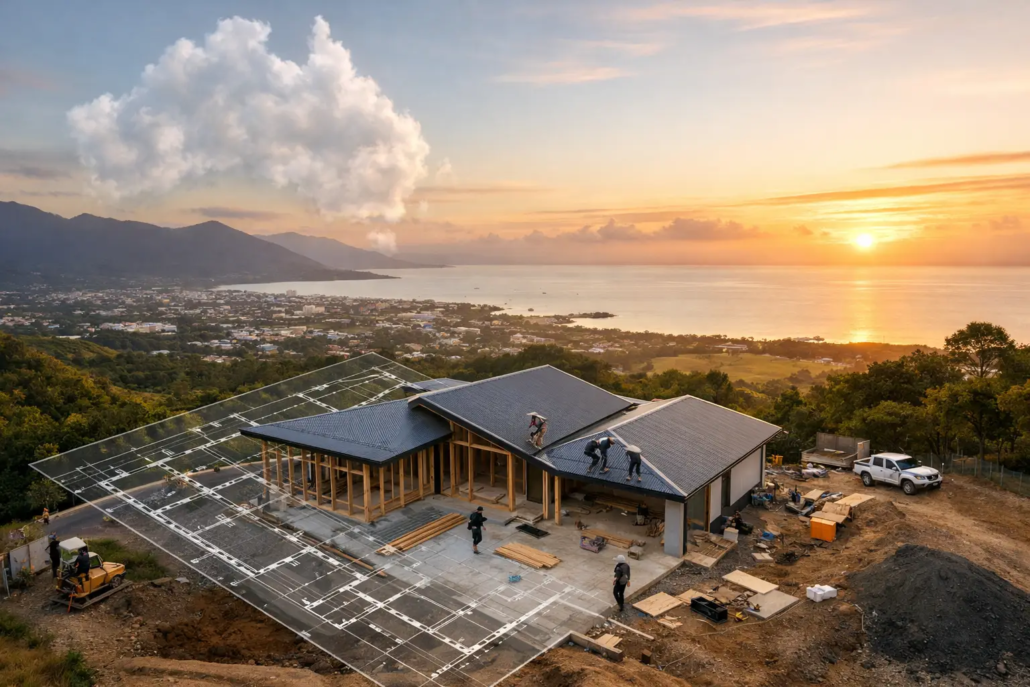
A Gold Coast builder may need one standout layout for a tight infill site this month, then nothing for six weeks with plans being used on a singular basis. Subscription access per month grants you access to a set number of house plans to use under agreement without worry and reliance of you needing to outlay costs associated with developing a house range and paying outright for that. A subscription operator in Brisbane may need a steady flow of fresh concepts across several display areas. Those are entirely different buying situations – and that is why PAYG plan licensing vs subscription access is not a minor pricing decision. It shapes your design pipeline, your IP rights and how confidently you can sell something that does not look like the same old brochure home.
At Pacific Designer Homes, the real value is not a pretty façade image that disappears once the brochure is binned. It is the schematic layout: open living zones that work, walls that align with purpose, fewer gloomy corridors and a roofline with enough drama appeal to make the whole home memorable. The right access model helps you put those ideas to work without buying more than your business can use.
Australian builder franchise IP
Franchise licensing is built for builders who want control, flexibility and a lower commitment with administration paperwork at the starting line. You pay a low joining fee due to the franchise suite of IP provided under agreement and develop a plan library selecting from our plan library of upwards to 30 plans.
That makes commercial sense when your demand is project-led. Perhaps a client in Penrith has bought a narrow block and wants a home with more dramatic personality than a standard rectangular box. Or perhaps a regional builder near Rockhampton has a single acreage enquiry that deserves a strong, site-aware concept rather than a recycled layout from years ago. You select the suitable design, confirm the licence scope and move forward with a clear commercial purpose.
PAYG can also suit a builder testing a new market rather than paying for broad ongoing access. Before committing to a larger design programme, you can assess which layouts attract buyers, where your sales team sees traction and whether the design language fits your brand. A bold plan can give a franchise area a point of difference without forcing the business into an oversized monthly spend.
The trade-off is simple: the more regularly you need designs, the more administration and per-plan decisions you will have. PAYG is not necessarily the cheapest route for a builder sourcing plans every week. It is the sharper choice when volume is variable and each design decision needs to be deliberate.
For owner-builders and landowners, buying per plan can offer similar clarity. You are purchasing for a defined home, not maintaining access you may never use again. If the brief is one modern residence, a rear granny flat or a boutique villa, a per-plan purchase keeps the arrangement focused on that build.
Subscription access for builders who need fresh stock
A monthly subscription is designed for momentum. It suits builders, sales teams and design managers who need to review concepts regularly, respond to changing buyer preferences and keep their offer fresh across more than one estate, region or client type.
Instead of treating each new enquiry as a fresh search, subscription access gives the business a more consistent route into a broad design library. That matters when your team is speaking with first-home buyers one day, acreage clients the next and downsizers seeking a refined single-level home after that. A wider pool of options helps the sales conversation stay relevant without reverting to bland, cookie-cutter choices.
Subscription access is especially useful when speed has commercial value. A builder in Newcastle or the Sunshine Coast may be competing for buyers who have already seen every predictable display-home formula. Being able to shortlist distinct layouts quickly can keep a lead warm and help a client imagine something more personal.
However, subscription access is not a blank cheque. Access to a library and the right to build, reproduce, market or assign a particular design are not automatically the same thing. Every builder should understand the applicable licence, territory, franchise arrangements, project use and any exclusivity conditions before presenting a plan as part of its offer. Good IP discipline protects the designer, the builder and the client from expensive misunderstandings.
The practical difference between PAYG and subscription access
The best choice comes down to frequency, certainty and intended use. PAYG gives you a precise transaction around a current opportunity. Subscription gives you an ongoing source of concepts for an active pipeline. Neither is automatically superior.
Consider these four commercial questions before deciding:
- How many plans are you likely to require in the next six to 12 months?
- Are you buying for one confirmed build, or regularly pitching different home types?
- Do you need editable CAD/DWG files for your documented workflow and consultant coordination?
- What rights does your business need within its agreed franchise area or project location?
A small builder with two firm contracts may find PAYG cleaner and more economical. A larger operator with multiple sales consultants, recurring leads and a need for regular product refreshes may find subscription access far more useful. The wrong model is the one that leaves you paying for unused access or scrambling for a licence after you have already shown a design to a client.
From Acreage to Villa: match access to demand
The portfolio should not be treated as one generic stack of plans. Different ranges solve different problems, and the way you access them should reflect the work your business is actually winning.
For example, the Acreage range example being the Coventry 237 is the kind of reference point a builder might consider when a larger block calls for expansive living, strong zoning and a layout that earns its footprint. Narrow Courtyard example being the Exalt 209 speaks to constrained urban land, where light, privacy and a clever central outdoor connection can make a compact site feel far more generous.
A client seeking a secondary dwelling or rear-site opportunity will have different priorities again. Granny Flat/Garage at Rear House being the Carlton 60 represents the need to make style not feel like its in a matchbox and liveability work together without creating a leftover-looking building. For buyers drawn to crisp, current planning, the Modern range house being the Joyful 230 can frame a conversation around clean geometry, bright shared spaces and a roofline that adds genuine character.
At the more expressive end of the offer, is the Casa range and Villa range that suit clients who want a upscale boutique feel rather than a stock-standard suburban formula. Meanwhile, first home buyers are catered for by ample choice that is relevant where first-home value and corner-site presentation need to work hard together. These are not interchangeable briefs, so a one-size access model rarely makes sense either.
For a subscription builder, having multiple ranges available supports faster matching between enquiry and concept. For a PAYG buyer, choosing one carefully considered plan allows budget to be concentrated on the exact design direction that suits the land and target market.
Editable files do not replace design-rights discipline
Editable CAD/DWG files can be a major advantage when your project needs local adaptation, engineering input or a tailored documentation pathway. They can reduce redrawing and help your consultants work from a clearer starting point. Yet editable does not mean unrestricted.
Builders must keep the approved use of files, copyright ownership and permitted modifications clear from day one. Do not assume a purchased file can be copied across multiple projects, handed to another business or used outside the agreed licence area. Equally, do not promise a client exclusive rights until the relevant agreement confirms what is available.
This is where a commercially switched-on builder separates itself from operators who treat plans as disposable artwork. A well-managed licence gives your business confidence to market the design, price the job and coordinate the next steps without gambling on someone else’s IP.
Choose the model that keeps your offer sharp
If you are building a steady catalogue of differentiated homes, subscription access can keep your sales team supplied with new material and your product range moving. If you need a distinctive plan for a specific site, client or local opportunity, PAYG licensing can keep costs lean while still giving you access to serious design thinking.
The stronger move is to choose based on your actual pipeline, not on habit. Whether you are servicing a single owner-builder in Cairns or growing a builder franchise presence across several Australian regions, fresh layouts and properly defined rights are worth more than another forgettable plan pulled from the same tired playbook.
Ready to put a bolder design strategy behind your next build?
Choose a design pathway that gives your business or project a genuine point of difference not a clone of something outdated. Explore our full design library.

