

Why a Vast Home Design Portfolio Is a Home Builder Advantage
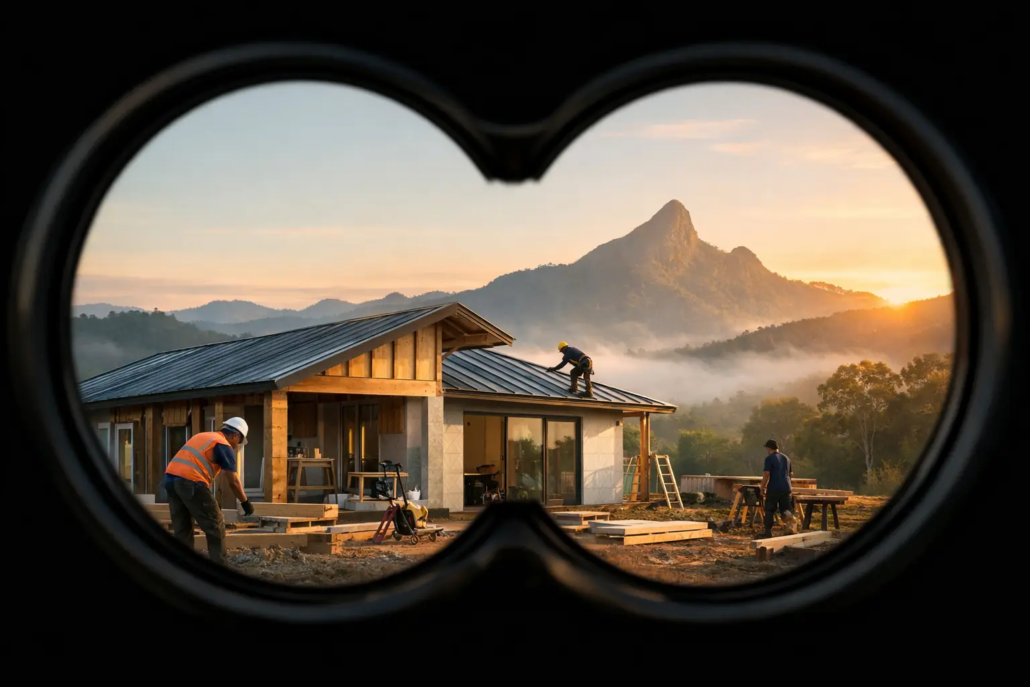
Selecting your house range to suit your area you intend to build has never been easier with a vast extensive collection of unique stylish designs to pick from. You will pleasantly surprised at our designs which we believe standalone in terms of fresh on cue current unique style.
With a vast portfolio we can cater for different locations with exclusive designs to give you a point of differentiation to appeal to the public rather than old school cookie cutter designs. With monthly plans to suit or IP franchise with low joining fee due to the suite of information provided under an agreement with builder’s terms Pay As You Go (PAYG) or buy per plan with exclusive builder discount; we cater to meet your requirements.
A builder can lose a sale before the client has even looked at inclusions. It happens when every display, brochure and social post seems to show the familiar tired footprint with a different façade pasted on the front. That is why a vast home design portfolio is a home builder advantage: it gives you more than plans to sell to pick your house portfolio, but not only that we believe the choice is stark in terms of fresh originality of clarity versus outdated that is in the marketplace. It gives you a stronger point of difference, a faster response to difficult sites and a design story buyers can actually remember.
At Pacific Designer Homes, the portfolio runs beyond one look, one block type or one market. With more than 3,840 designs developed and 200 featured online, builders can select from Acreage, Narrow Courtyard, Granny Flat/Garage at Rear, Modern, Casa, Villa and Homestarter/Corner Block concepts without forcing every buyer into a recycled formula. For selections outside this website, please complete the contact us form for a Zoom consultation.
A wider portfolio gives Brisbane builders room to win
In competitive markets such as Brisbane, the Gold Coast and the Sunshine Coast, buyers arrive with sharper expectations. They have saved dozens of ideas, inspected display homes and noticed when a builder is simply recycling the same internal arrangement. A broad design library lets a builder answer those expectations with a layout that suits the land, the lifestyle and the buyer’s budget.
That does not mean offering every possible option to every client. Too much choice without direction can stall a decision. The commercial advantage comes from curating the right small selection for each enquiry, backed by a much larger bank of proven concepts. A young family on a narrow urban lot does not need to sift through acreage homes. They need two or three compelling narrow-lot directions that feel considered from the first conversation.
The difference is in the schematic layout, not a brochure colour or a fashionable front elevation. We have a bold design ethos were we push the boundary from conventional layouts that simply hark back to a bygone outdated time. Better wall alignment, fewer dead-end hallways, brighter living areas and more deliberate room placement can make a home feel distinctly better to walk through. That is what clients remember after the sales presentation is over.
Why a vast home design portfolio is a home builder advantage
A limited portfolio makes the block fit the plan. A substantial portfolio allows the plan to respect the block. That distinction matters on real sites, where frontage, orientation, slope, access, neighbouring windows, bushfire requirements and local character controls can all influence the best outcome.
For an acreage client near Rockhampton or Armidale, the appeal may be a generous living zone that captures views while keeping the private rooms protected from harsh afternoon sun. For a compact site in Penrith, Newcastle or the Northern Rivers, the winning concept may be a narrow courtyard layout that creates light and outdoor connection without sacrificing practical storage or bedroom separation.
A varied portfolio also helps builders avoid expensive redesign loops. Rather than beginning every enquiry from a near-miss plan and repeatedly moving walls, the sales and estimating team can start much closer to a workable solution. Editable CAD/DWG files make further refinement possible where required, but the design starting point is already stronger.
This is especially valuable when clients want something fresh but are not ready for a fully bespoke architectural process. They want a home that feels personal, not a one-off exercise that blows out timeframes and budget. A deep portfolio provides the middle ground: original ideas, practical construction logic and a clearer path to buildability.
Exclusive builder IP creates a sharper local proposition
The portfolio itself matters, but the right to use a design matters just as much. Builders invest heavily in local marketing, display activity, estimating and customer trust. There is little value in promoting a standout plan if the builder down the road can immediately sell the same design under a different name.
Exclusive design rights in a defined area give builders a cleaner commercial position. Whether operating in Cairns, Coffs Harbour, Perth, Adelaide, Hobart or Canberra, a builder can select designs that help their brand look distinctive in its local market. This is not about dressing up an old floor plan with another façade. It is about presenting an original layout as part of a genuine brand offer.
Builder franchise IP agreements and pay-as-you-go licensing can suit businesses that want access to a broad design resource without committing to a large upfront catalogue purchase. Buying per plan may be a better fit for a smaller builder testing a new demographic, a new estate or a specialised product line. The best arrangement depends on sales volume, territory goals and how actively the builder intends to market the range.
The key is clarity. Usage rights, exclusivity boundaries, modification permissions and the responsibilities around copyright should be understood before a plan goes into a brochure, display campaign or tender package. Good design is valuable intellectual property. Treating it casually creates risk for both builder and client.
From acreage to courtyard homes, choice should solve a brief
A large catalogue only becomes useful when each range has a clear job to do. Acreage designs can speak to wider blocks, entertaining zones and a stronger relationship with outlook. Narrow Courtyard concepts can bring daylight and privacy into constrained urban sites. Granny Flat/Garage at Rear solutions can support multigenerational living, rental flexibility or practical rear-lane access.
Modern designs offer confident lines and open-plan drama without relying on a predictable devoid of purposeful style box. Casa and Villa ranges can lift the perceived value of an upscale boutique offering, particularly where buyers want a more expressive layout and a stronger arrival sequence. Homestarter and Corner Block concepts help first-home buyers and value-focused clients see that practicality does not have to mean bland.
For the public, that choice creates confidence. A landowner does not have to settle for a plan that almost works. They can begin with a design family aligned to their land and aspirations, then work through the practical trade-offs. A broad frontage may allow a more expansive living arrangement, while a narrow block can demand tighter circulation and smarter outdoor planning. Neither is automatically better. The right answer depends on how the household lives.
For builders, this range-led approach also makes sales conversations more intelligent. Instead of asking, “Which façade do you like?”, the discussion can begin with how the client entertains, where they need privacy, whether a future granny flat matters, how much storage is genuinely needed and what the site gives them to work with.
Better layouts make marketing work harder
Marketing can get a buyer through the door. The plan has to do the heavy lifting after that. When a client sees a home with a bright central living area, a deliberate connection to alfresco space and fewer awkward corridors, they can picture themselves living there. That emotional response is commercially powerful because it moves the conversation beyond square metres and price alone.
This is where free-form symmetry and dramatic roofline thinking can separate a design range from conventional volume housing. Starting with the roofline and letting it inform the floor plan can produce a more distinctive whole, rather than treating the roof as an afterthought added at the end. The result should still be practical to build, but it should never feel like it was assembled from old stock parts.
A portfolio with real variety also keeps a builder’s campaign fresh. It allows different home types to be matched to different estates, price points and buyer profiles while maintaining a recognisable design attitude. That makes social content, brochures and display activity more interesting because there is always another credible concept to show.
Choose depth, then curate with intent
The smartest builders do not need to show clients every design they can access. They need the confidence of knowing the right answer is available when the brief changes. A vast portfolio protects against sameness, supports more accurate site matching and gives a builder more ways to create a memorable local offer.
For owner-builders and landowners, it means the search can start with possibility rather than compromise. For builders, it means stronger differentiation, more useful conversations and a design range that can grow with the market instead of lagging behind it.
Explore a Bigger Design Library Enter into a fresh vibrant standalone house design thinking now. Explore our full design library.

