

Villa Home Designs for NSW Families That Work
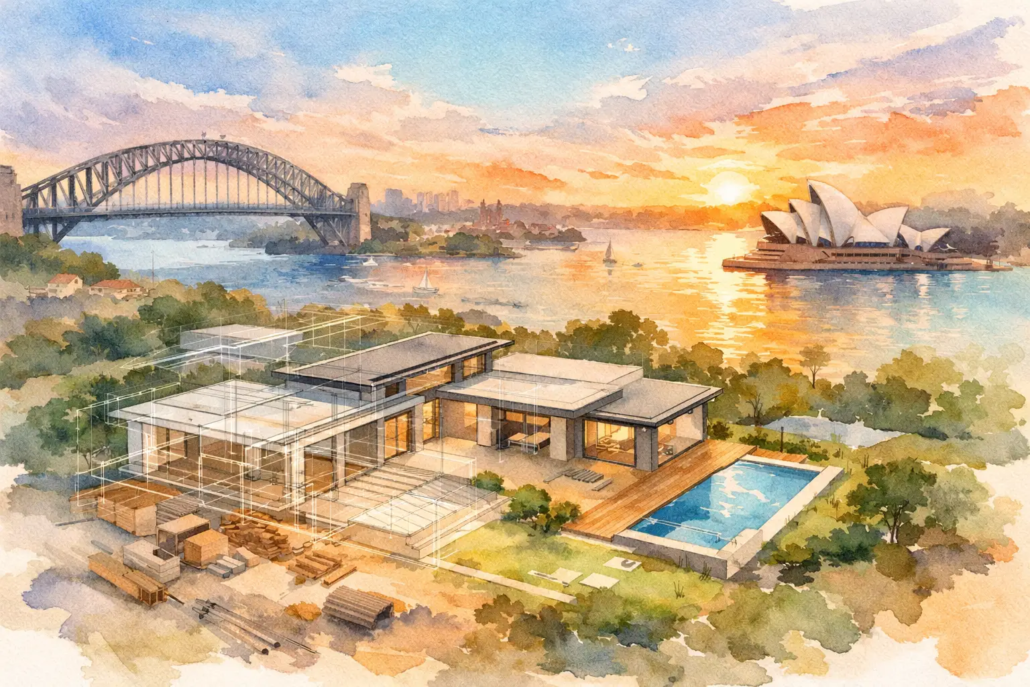
A villa range house plan can look polished on paper and still fail a family by lunchtime. If the kitchen pinches traffic, if the living zone goes dark at 3 pm, or if the main bedroom steals space from the kids, the shine wears off quickly. That’s exactly why villa range home designs for NSW families need more than just a pretty façade – they require a smart, well-planned layout that works for real blocks, fits real budgets, and complements everyday routines with genuine style and flair.
At our end, we have never had much interest in churning out bland, old-school cookie-cutter plans that hark back to an outdated past. NSW families are building on everything from tighter suburban lots in Sydney and Newcastle to wider sites around Port Macquarie and the Central Coast. A proper villa range home design has to respond to that reality. It should feel savvy boutique, easy to live in and commercially sharp for builders who want a point of difference in their market.
What NSW families actually need from villa range home designs
The word villa can mean different things depending on who is using it. For some buyers, it signals a refined single-level home with strong street appeal and a more upscale feel than an entry-level plan. For builders, it often means a compact-to-mid-sized design that still carries premium cues – better zoning, stronger roof form, more visual balance and less wasted passage space.
For NSW families, the brief usually comes back to the same core issues. They want open-plan living that does not feel exposed, bedrooms with enough separation to preserve some peace, a kitchen that works hard without becoming a corridor, and outdoor flow that suits the local climate. In places like Sydney’s west or Penrith, heat performance matters. Along the coast at Coffs Harbour or Ballina, breezeways and covered outdoor zones matter more. The plan has to do the heavy lifting before any finishes are chosen.
That is where too many designs fall over. They chase facade tricks and forget that families live in the floor plan, not in the brochure image. A villa-style should feel fresh, vibrant, bright, and straightforward, with fewer dead ends, cleaner wall alignments, and rooms designed to hold furniture. If a lounge only works with one couch position or a dining area is too tight for daily use, the plan has not been resolved well enough.
Why single-level villa range layouts still suit NSW family life
For many households, single-level living is not about downsizing. It is about making life easier. Young families like the visibility across living areas. Older buyers planning ahead like fewer stairs. Investors and builders like broader buyer appeal. That overlap is one reason the villa range category keeps performing.
A good villa range plan also handles multigenerational patterns better than many people expect. You do not always need extra storeys to create privacy. You need smarter schematic zoning, but most importantly, it should be fresh and distinctly different. A master suite placed away from the children’s wing, a secondary living nook, or a study/computer nook that can flex into guest use often delivers more practical value than simply adding more area.
The Villa Lefkes 230 from our Villa range is the sort of example that shows how this can work when the layout leads the design rather than trailing behind it. The appeal is not just in the front elevation. The plan supports family movement without cramming the home with unnecessary circulation space, and its unique open layout breaks free from the humdrum, boring, and bland.
The layout decisions that separate smart villa range plans from average ones
The strongest villa range home designs for NSW families usually get four things right.
First, they position living areas where light can be borrowed and shared. It may seem simple, but many standard floor plans still hide core living spaces behind internal bottlenecks, creating a maze to navigate and forcing a dark, closed-off feel. We prefer layouts that open up the center of the home, allowing the main family spaces to breathe.
Second, they treat the kitchen as a control point, not a decorative afterthought. In a family villa range home, the kitchen should see the meals area, connect naturally to outdoor living and avoid becoming a thoroughfare to the laundry or bedroom wing and be positioned well around living areas. If too many paths cut through it, the room never settles.
Third, they use hallways sparingly. Hallways are sometimes necessary, but long dark runs are often the sign of lazy planning. The better move is to align walls intelligently and let circulation happen through useful, light-filled spaces.
Fourth, they keep bedroom proportions honest. Families notice quickly when minor bedrooms have been shaved down to prop up a larger ensuite or oversized robe. The plan needs balance. Kids’ rooms still need to hold real furniture, not just satisfy a dimension on paper.
This is one reason our design approach often starts with the roofline and overall shape first both in terms of visible form and function. When the top-down thinking is strong, the plan beneath it can feel more resolved, more dramatic and more commercially appealing without turning gimmicky.
Sydney, Newcastle and regional NSW blocks all change the answer
There is no single perfect villa range layout for the whole state. This is why we have a vast plan portfolio to cater to the marketplace.
A narrower suburban lot in Sydney or Newcastle calls for tighter planning discipline. You have less room to waste, so every turn, wall and opening has to count. Wider regional blocks can absorb broader footprints, but that does not mean they should be filled with fluff. Bigger plans can still become clumsy if the zoning is weak and thus effect a stale look.
This is where builders often gain an edge by avoiding recycled catalogue formulas. A design that works beautifully in one estate can feel awkward in another. Orientation, frontage, privacy from neighbours and likely resale expectations all affect what the right villa plan looks like.
The Castello Aragonese 248 from our Modern range is a useful contrast here because it shows how a cleaner contemporary layout language can still inform villa planning without losing warmth or family practicality. Different ranges can cross-pollinate ideas when the fundamentals are right.
For tighter urban sites, the Precision 256 from our Narrow Courtyard range highlights another lesson – controlled openness. You do not need sprawling width to create relief. You need strategic voids, good sightlines and outdoor integration in the right spot.
Villa range designs should feel premium without blowing the budget
Here is the trade-off many families and builders wrestle with. Everyone wants the villa range home to feel a cut above. Not everyone wants the construction cost that can come with overcomplicated forms, awkward spans or fussy detailing. The sweet spot is a plan that looks fresh and distinctive while staying buildable.
That means avoiding design flourishes that do not improve the experience of living in the home. Extra corners, wasted niches and shape-for-shape’s-sake can push cost up without making the plan better. Smarter value usually comes from cleaner geometry, stronger room connection and a facade composition that gets its drama from proportion rather than clutter.
The Casa Hydra 247 from our Casa range speaks to that more refined end of the market, where layout presence and room flow create the premium feel before finishes are even selected. That matters for builders selling off plans as much as it matters for owner-builders trying to future-proof resale.
Builders need point of difference, not more of the same
For residential builders across NSW, villa range products can be a powerful part of the range if they are not interchangeable with every other display brochure in town. Buyers are tired of seeing the same planning mistakes wrapped in slightly different facades. Distinctive layouts help builders stand apart, and they also strengthen local IP value when exclusive rights or tailored plan access are part of the strategy.
That is why editable CAD and DWG availability matters in practical terms. A concept plan is one thing. The ability to adapt a design for site conditions, council preferences or market positioning is another. Some builders want monthly access to a wider design pool. Others prefer to buy per plan or work within franchise-style IP arrangements. It depends on volume, territory and how much exclusivity matters in their patch.
The Arrawarra 136 from our Homestarter/Corner Block range is a reminder that value-led planning and standout presentation are not opposites where small living does not need to lose its appeal. Even at the sharper end of the market, buyers still respond to homes that feel considered rather than generic.
Families should choose a villa range plan by lifestyle, not label
A lot of buyers start with style labels and only later think about how they actually live. That is backwards. A better question is whether the home suits school mornings, weekend entertaining, visiting relatives, work-from-home needs and the simple business of getting quiet when someone wants to sleep and someone else wants to watch the footy. Ask yourself if the placement of the walls is thoughtfully arranged to create a unique and fresh feel while minimizing dark areas from entering the house.
That practical lens often changes what people choose. A family may think they want the biggest open-plan room possible, then realise a small retreat or better bedroom separation would improve daily life more. Another may be focused on a grand main suite, then work out that storage, laundry access and covered outdoor living will deliver stronger long-term value.
The Beachcomber 252 from our Acreage range shows how broader planning ideas can sometimes be simplified and adapted for villa buyers who want openness and presence without stepping into a much larger home category. Likewise, the Granny Flat example being the Vespa 60 from our Granny Flat/Garage at Rear range can prompt useful thinking about style being designed into micro living.
If you are weighing up villa range options, the smartest move is to judge the plan when the facade excitement is stripped away. Look at movement lines, furniture placement, privacy, storage and natural light. That is where the good designs separate themselves from the noisy ones. Bold planning lasts longer than brochure gloss.
Find a villa range design with real point of difference
Whether you are a builder wanting exclusive appeal in your area or a family chasing a fresher layout for your block, the best villa range plans are the ones that work hard behind the scenes and still look sharp out front. Explore our full design library

