

Casa Home Designs for NSW Families That Work
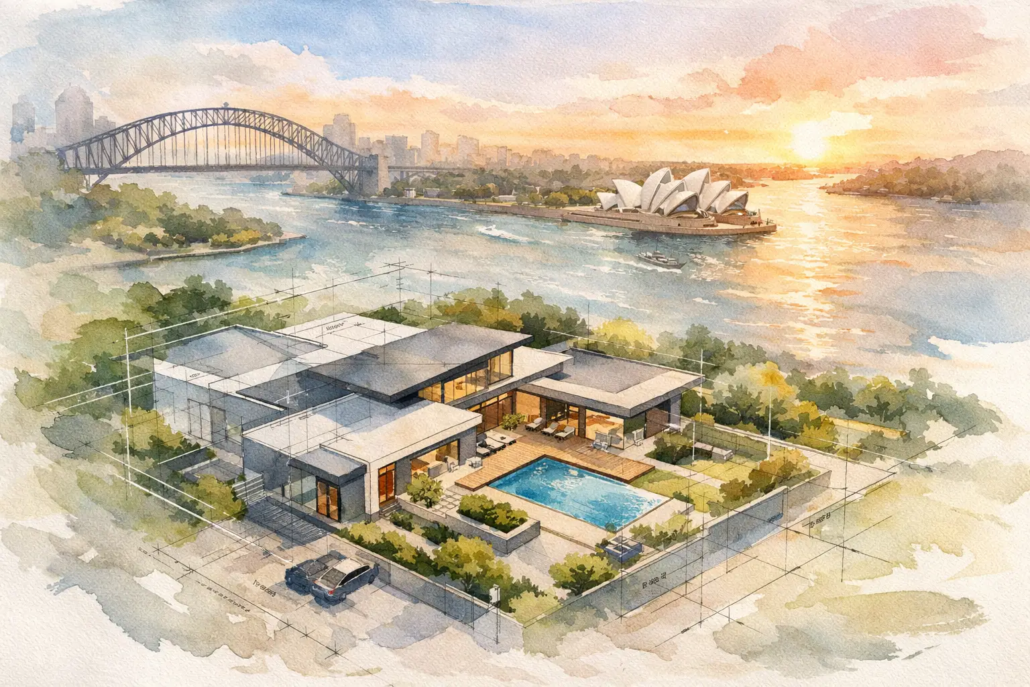
A cramped kitchen that bottlenecks breakfast, a gloomy hallway that eats floor space, and a façade doing all the heavy lifting while the layout underperforms – that is exactly what smart buyers and switched-on builders across New South Wales are trying to avoid. Casa range home designs for NSW families need to do more than look polished in a brochure. They need to live well on real blocks, suit changing households, and give builders something fresher than the same tired project-home formula.
That is where the Casa range earns its place. It is not about dressing up bland planning with a fashionable exterior. The real value sits in the schematic layout – how the living zones connect, how the bedrooms are placed, how walls are located to break free from conventional thinking, how natural light moves through the home, and how the roofline and floor plan work together instead of fighting each other. For NSW families, that matters because the market is mixed. A family building in Newcastle has different pressures from a buyer in Penrith or a downsizer near Port Macquarie, yet they all want a a choice to select a home that feels considered rather than copied.
Why casa home designs for NSW families suit the market
NSW is not a one-size-fits-all state. Block widths vary wildly, council controls can shape what is possible, and family structures are shifting. Some households want room for teenagers to spread out. Others need a quieter guest bedroom for grandparents, or a study that actually works as a study rather than a leftover nook shoved into a hallway.
The best Casa layouts embrace that reality with cleaner designs, minimal wasted corners, and roof alignments that complement the overall look of the house. Instead of long dead corridors and chopped-up rooms, the better approach is open living with clear zoning clarity. Parents get some separation from children. Entertaining spaces feel generous without requiring a giant footprint. Outdoor flow is treated as part of daily living, not an afterthought tacked onto the back.
That makes Casa designs a strong option for both the public and builders. For home buyers, the appeal is obvious – better use of space and a more distinctive feel. For builders, especially those wanting a point of difference in crowded local markets, the Casa range offers something more commercially useful than bland stock plans. Distinctive layouts and dramatic roof-driven planning help homes stand out in display villages, sales campaigns and local builder portfolios.
What NSW families actually need from a Casa plan
A good Casa home for a family in Sydney’s outer suburbs will not always be the same as one suited to the Central Coast or Coffs Harbour. Still, a few priorities consistently rise to the top.
The first is liveable open-plan space. Families do not want oversized formal rooms that sit empty. They want a kitchen, dining and living zone that feels connected and practical, with decent sightlines and movement. The second is privacy where it counts. A main bedroom that is sensibly separated from children’s rooms can make the whole home feel calmer. The third is flexibility. A media room, study, extra sitting room or guest room can shift in purpose over time, which matters when budgets are tight and households change.
Frontage is another key consideration. Street appeal is still important, but it shouldn’t overshadow the floor plan. The best Casa homes find a balanced approach—offering enough visual impact to draw attention with a bold, dynamic roofline that complements the overall look, without compromising internal functionality. That is especially relevant for builders buying per plan or working with franchise IP arrangements, because the design has to sell from the kerb and perform on site. With a vast portfolio of designs, it’s sure to help you stand out in the marketplace.
A smarter alternative to cookie-cutter house plans
Old-school volume housing often relies on familiar formulas because they are easy to repeat. The problem is that familiar can quickly become forgettable. Cookie-cutter homes may tick a basic inclusions box, but many leave buyers with awkward room proportions, dark internal stretches and a feeling that the home was engineered for speed rather than lifestyle.
Casa planning works best when the layout leads the design. That means wall alignment is cleaner and more tactile derived, living areas breathe better, and circulation space is reduced. Rooflines are not slapped on at the end to fake character. They are part of the concept from the beginning, which is one reason this style can feel more expressive and less generic. Too often, attention to detail is missing in house designs, with walls not aligning properly in rooms due to poorly conceived schematic planning. Roof lines can suffer the same fate, as careful consideration in the layout is not always fully carried out.
For NSW families, that can translate to better long-term value. A house that functions well tends to age better than one built around short-term trends. For builders, it can create a stronger market identity. When your homes are recognisable for smarter design rather than just another façade variation, it gives you something more defendable in a competitive patch.
Casa range examples and other standout designs worth knowing
The Casa range sits within a broader portfolio built for real-world variety, and that matters if you are comparing styles before committing. A strong Casa example to review is the Casa Ciprani 248, which reflects the range’s emphasis on flowing living zones and a bold, resolved dynamic layout.
If your site or brief leans a different way, there are other ranges worth considering from the same portfolio. For acreage buyers wanting width and presence, the Baldivis 279 shows how larger-format planning can still avoid becoming clumsy. On a tighter urban lot, the Ostentatious 255 demonstrates how a narrow courtyard concept can create breathing room where many standard plans feel pinched. Buyers thinking about rear-lane or secondary dwelling opportunities should look at the Granny Flat example being the Splash 60 highlights micro living can not be bog standard bland, while those after a sharper contemporary Modern range profile may prefer the Atocha 255 with its open plan living that is a freshly unique with its bold front look. First-home and corner-block buyers can compare ideas through the Dune 146 shows small living should not be in a bland conventional shaped layout, and boutique-style shoppers wanting a more upscale feel should inspect the Villa range example being the Villa Cevennes 235 with its purposeful dramatic design language and open plan living.
These examples matter because families do not all start from the same place. Some are upgrading. Some are building their first home. Some are owner-builders chasing a stronger design outcome than what the standard catalogue offers. A broad range means the design process starts with fit, not compromise.
Builders in Newcastle, Sydney and beyond need differentiation
If you are a builder working across Sydney, Newcastle, the Central Coast or regional NSW, the pressure is not just to build well. It is to offer plans that buyers cannot see repeated in every neighbouring estate. That is where exclusive design rights in a local area can become commercially powerful.
A stronger plan library gives you more than choice. It gives you positioning. Instead of competing on the same old rectangle with a new façade treatment, you can present homes with more character in the planning itself. That helps in sales conversations because buyers can feel the difference in layout immediately.
There is also practical upside in the way these plans can be accessed. Some builders will want a monthly subscription approach. Others will prefer PAYG franchise IP terms (with a low joining fee) or buying per plan with builder discounts. It depends on the scale of your operation, how often you release new stock, and whether exclusivity in your patch is part of your growth strategy. The key point is simple – design should be a commercial asset, not a recycled commodity.
Buying house plans: what families should check before choosing
For individual buyers, excitement can lead to rushed decisions. A polished rendering can distract from weak planning, so the smarter move is to test how the home will function on an ordinary Tuesday, not just a Saturday inspection fantasy.
Look closely at how the kitchen works with the pantry, island and outdoor area. Check whether bedroom doors open into sensible circulation zones or collide with one another. Make sure internal doors are not visible from living areas, as there’s nothing worse than seeing a wet area door from a space meant for relaxing. Think about noise. A media room beside the children’s bedrooms may be fine for one family and a disaster for another. If you work from home, setting up a study near the entry or a computer nook with desk space by the kitchen can be ideal, as long as it feels separate enough from the main living area whilst considering light flow into the design.
It is also worth thinking about your block and orientation early. A great Casa range plan can still need adjustment depending on where the sun lands, how private the rear yard is, and what the local planning controls allow. That is one reason editable CAD and DWG files appeal to serious buyers and builders alike. Flexibility at the concept stage can save time, argument and redesign cost later.
Why design rights and originality matter
There is a harder commercial edge to this conversation too. Original design has value, and that value should be protected. Builders investing in distinctive plans need clarity around usage rights, exclusivity and purchase conditions. Buyers also need to understand what they are paying for – whether they are securing a concept to develop further, a plan for a specific build pathway, or a broader licensing arrangement.
That legal precision is not red tape for the sake of it. It is part of keeping genuine design work from being diluted into another copy-and-paste market. If the goal is to break free from boring and bland, then originality has to be treated as intellectual property, not just marketing fluff.
The best Casa home designs for NSW families do not rely on gimmicks. They win because the planning is sharper, the spaces feel better, and the home has enough style to turn heads without sacrificing common sense. Whether you are a builder looking to secure a stronger local offering or a family wanting a home that feels fresh instead of factory-stamped, the right plan gives you leverage from the very beginning.
Ready to move past bland plans and build with more funky savvy edge? Explore our full design library

